2026年 短期課程議程

Wednesday, March 18, 2026  8:00 - 10:00 am

SC1: Safety & Toxicity of Nucleic Acids

Nucleic acid drugs continue to deliver on their promise to become a third therapeutic modality, in addition to small molecules and biologics. Several antisense oligonucleotide drugs have been on the market for some time, while the first RNAi approval was granted in 2018. Despite the common “nucleic acid” component, the mechanisms of action and non-specific effects differ for each of these drug types.
Sarah Lamore, PhD, Senior Director, Toxicology, Wave Life Sciences
Kristy Szretter, PhD DABT, Scientific Director, Takeda Pharmaceutical
Fengjiao Zhang, PhD, DABT, Director, Toxicology, Preclinical & Clinical Discovery & Development Team, Wave Life Sciences
Xiao Shelley Hu, PhD, President and Founder, Translational Consulting LLC

Instructors:

Sarah Lamore, PhD, Senior Director, Toxicology, Wave Life Sciences

Kristy Szretter, PhD DABT, Scientific Director, Takeda Pharmaceutical

Fengjiao Zhang, PhD, DABT, Director, Toxicology, Preclinical & Clinical Discovery & Development Team, Wave Life Sciences

Xiao Shelley Hu, PhD, President and Founder, Translational Consulting LLC


Topics to be discussed:

  • Different types of nucleic acid-based drugs
  • Mechanisms of action and non-specific effects
  • Current approaches to address non-specific and potentially toxic effectsFindings secondary to class-effect of oligonucleotides

Aimed at both novice and advanced nucleic drug developers, the course will:

  • Introduce and explain the differences between various types of nucleic acid drugs
  • Summarize our current understanding of the origins of non-specific and potentially toxic effects
  • Provide direction on how to minimize the potential toxic effects of nucleic acids drugs
  • Provide an overview of DMPK considerations from a safety evaluation perspective


SHORT COURSE PRESENTATIONS: 

Nonclinical Considerations for the Development of Oligonucleotide Therapeutics
Sarah Lamore, PhD, Senior Director, Toxicology, Wave Life Sciences

This presentation will review some of the common toxicities associated with oligonucleotide administration, discuss the regulatory expectations for the nonclinical safety evaluation of oligonucleotide therapeutics in the context of the applicable guidance documents, and present case studies based on recently approved products.

Further Considerations for the Development of Complex Oligonucleotide-Based Therapeutics
Kristy Szretter, PhD, Scientific Director, Takeda Pharmaceutical

This presentation will build on the regulatory expectations for the nonclinical development of ASOs and GalNAc-siRNAs, and address the additional considerations for more complex oligonucleotide-based modalities (e.g., lipid nanoparticles, antibody-oligo conjugates, circular RNAs). Relevant guidance documents and case studies will be used to highlight the similarities and unique aspects of each nonclinical package.

Application of in vitro Toxicity Assays in Preclinical Safety Assessment of Systemically and Intrathecally Administered Antisense Oligonucleotides (ASOs)
Fengjiao Zhang, PhD, Director, Toxicology, Preclinical & Clinical Discovery & Development Team, Wave Life Sciences

Preclinical safety assessment is a crucial phase of drug development and helps ensure patient safety by determining a safe starting clinical dose, screening out liability molecules, and by defining parameters for clinical monitoring. Preclinical safety assessment of ASOs include application of in vitro toxicity assays for throughput screening of potential toxicity, providing an early indication of hazardous properties prior to animal studies, and for understanding the mechanism of toxicity. Class effects that are observed following systemic or intrathecal administration of ASOs could include immune stimulation, complement system activation, clotting time prolongation, thrombocytopenia, and organ toxicities observed at supraclinical doses. Common histopathology findings include dose- and duration dependent infiltration of vacuolated macrophages and mononuclear inflammatory cells (could be non-dose-dependent) in multiple organs with systemic dosing, and predominantly in CNS with IT dosing. These effects are screened out and managed using efficiently designed in vitro and in vivo toxicity studies. We will discuss mechanisms of such effects along with the clinical relevance and use of predictive in vitro assays.

ADME and PK/PD Considerations for Preclinical Development of Antisense Oligonucleotides (ASOs)
Xiao Shelley Hu, PhD, President and Founder, Translational Consulting LLC

ASOs are an emerging class of medicines for unmet medical needs. The ADME and PK/PD entail specific considerations to support effective preclinical development. This talk will focus on factors relevant to preclinical development of ASOs.

INSTRUCTOR BIOGRAPHIES:

Sarah Lamore, PhD, Senior Director, Toxicology, Wave Life Sciences

Sarah is Senior Director of Toxicology at Wave Life Sciences. Prior to joining Wave, Sarah was Senior Director of Toxicology at PepGen Inc. focusing on peptide-conjugated oligonucleotides and Toxicologist at Biogen where she worked on several modalities including small molecules and antisense oligonucleotides. She did her postdoctoral training at AstraZeneca and then joined the company as a Discovery Safety Scientist. She holds a PhD in Pharmacology and Toxicology from University of Arizona and is a Diplomate of the American Board of Toxicology.

Kristy Szretter, PhD DABT, Scientific Director, Takeda Pharmaceutical

Kristy Szretter is a Scientific Director in the Nonclinical Safety and Pharmacology department at Takeda. Prior to joining Takeda, she served as a nonclinical lead at a number of organizations in the biotech industry. With over a decade of experience in nonclinical development, she has supported early and clinical development of biologics, cell therapies, vaccines, and viral and non-viral gene therapies in oncology, autoimmunity, infectious disease, neurology, and rare disease indications. She holds a PhD in Immunology and Molecular Pathogenesis from Emory University and is a Diplomat of the American Board of Toxicology.

Fengjiao Zhang, PhD, DABT, Director, Toxicology, Preclinical & Clinical Discovery & Development Team, Wave Life Sciences

Fengjiao is Director of Toxicology in the Preclinical & Clinical Discovery & Development Team at Wave Life Sciences. Prior to joining Wave, Fengjiao served as Principal Investigator (PI) and Professor in Shenyang Pharmaceutical University with extensive Drug Discovery & Development experience. She did her postdoctoral training at University of Arizona. She holds a PhD in Pharmacology and Toxicology and is a Diplomate of the American Board of Toxicology.

Xiao Shelley Hu, PhD, President and Founder, Translational Consulting LLC

Dr. Xiao Shelley Hu is a seasoned pharmaceutical scientist with over 20 years of experience driving innovation across multiple therapeutic areas. She earned her Ph.D. and M.S. in Pharmaceutics from The Ohio State University, an M.S. in Environmental Chemistry from the Chinese Academy of Sciences, and a B.S. in Pharmacy from Peking University. As the President and Founder of Translational Consulting LLC, Dr. Hu provides specialized expertise in DMPK, clinical pharmacology, pharmacometrics, and translational strategies to pharmaceutical and biotech companies. Her leadership experience includes serving as Vice President and Head of DMPK and Clinical Pharmacology at Wave Life Sciences, where she spearheaded regulatory filings and advanced global programs involving antisense oligonucleotides, siRNA, and A-to-I editors. Previously, at Akebia Therapeutics, she led Clinical Pharmacology and Bioanalytical Science Department, overseeing registrational studies leading to the approval for VAFSEO. During her tenure at Biogen, she played a pivotal role in the approval of PLEGRIDY and contributed to TECFIDERA world-wide approval. A published author and sought-after speaker, Dr. Hu is committed to leveraging her deep expertise to champion data-driven approaches and shape the future of personalized medicine.

SC2: Successful Late Phase Regulatory Submission for a Complex Oligonucleotide

ICH guidelines have established clear expectations for the control strategy for synthetically manufactured medicines. Oligonucleotides fall into the synthetic category and yet their manufacture and control are very different compared to small molecules. In this short course we will look at the requirements for a control strategy combining starting material control, process understanding and final drug substance specifications and methods. With a common understanding in mind we will discuss how to apply the control principles to therapeutic oligonucleotides from early development to registration.
Mike Webb, PhD, Founder & CEO, MikeWebbPharma Ltd.
Chris Oswald, Founder, Owner, and Principal Consultant, Coswald Consulting LLC

Instructors: 

Mike Webb, PhD, Founder & CEO, MikeWebbPharma Ltd.

Chris Oswald, Founder, Owner, and Principal Consultant, Coswald Consulting LLC


Topics to be discussed:

  • The principles of a control strategy from ICH guidance and its practical application
  • Unique challenges (and advantages) in applying the principles to oligonucleotides 
  • Early development strategies for oligonucleotides 
  • Achieving a successful commercial control strategy for oligonucleotides

Benefits of attending:

  • Gain a clear understanding of the regulatory activities necessary to ensure success for therapeutic oligonucleotide
  • Learn when to plan key activities during early-stage development of oligonucleotides
  • Enhance decision-making capabilities from early development through to registration
  • Understand how to support CDMO selection, development, and financial planning
  • Overcome regulatory challenges with proven strategies

INSTRUCTOR BIOGRAPHIES:
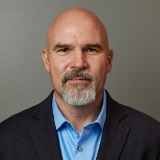
Mike Webb, PhD, Founder & CEO, MikeWebbPharma Ltd.

Mike received his PhD from imperial college in London. He spent most of his career at GSK and its legacy companies primarily as an analytical scientist and then becoming the Vice President of Development Chemistry and Analysis for GSK in the UK. He was heavily involved in establishing initial GSK’s oligonucleotide CMC development efforts. Mike has edited 3 books on the analysis of pharmaceuticals, including one on the analysis of oligonucleotides. Since leaving GSK in 2016, he has been consulting with Big Pharma and Biotechnology companies in the development, analysis and manufacture of therapeutic oligonucleotides from pre-clinical to marketing submission.

Chris Oswald, Founder, Owner, and Principal Consultant, Coswald Consulting LLC
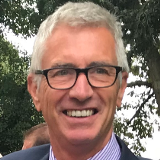
Chris is an independent consultant specializing in CMC related activities for drug substance and drug product. His experience spans from developing oligo related analytical methods in the laboratory, to managing a commercial QC laboratory, and then into being the manufacturing plant manager for Agilent Technologies in Boulder CO. These roles have provided him exposure to many CMC strategies that have been successfully utilized for clinical, pre-commercial, and commercial oligonucleotides in both the drug substance and drug product arenas. Chris also has a wide range of experience in facility buildouts, both new and appended, allowing exposure and understanding of the many unseen, as well as the very visible, parameters related to facility, equipment, process, and personnel that are necessary to align and control in order to ensure a successful and robust scaleup / technical transfer.

SC3: Next Gen ADCs & Advanced Linkers & Conjugates: Mastering Design, Linker Optimization & Stability

Conjugated modalities such as antibody-drug conjugates (ADCs), oligonucleotide conjugates, and peptide-drug conjugates are revolutionizing precision medicine. However, their success relies on smart linker strategies that ensure stability, controlled payload release, and manufacturability. This intensive 2-hour course will explore the latest innovations in linker chemistry, site-specific conjugation, formulation and delivery considerations, and scalable manufacturing approaches. Participants will gain practical insights into optimizing linker design for enhanced efficacy, reduced toxicity, and regulatory compliance.
Sunny Zhou, PhD, Professor, Chemistry & Chemical Biology, Northeastern University
Amit Nayyar, PhD, General Manager, Cohance

Instructors:

Sunny Zhou, PhD, Professor, Chemistry & Chemical Biology, Northeastern University

Amit Nayyar, PhD, General Manager, Cohance


Topics to be discussed:

  • Choosing the right modality to pursue a drug target
  • Interplay of antibody, linker and payload
  • “Rational” approach for designing next-generation ADCs
  • Linker design and optimization
  • Manufacturing and scalability
  • Clinical updates
  • Case studies and key learnings

INSTRUCTOR BIOGRAPHIES:
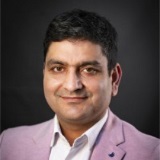
Sunny Zhou, PhD, Professor, Chemistry & Chemical Biology, Northeastern University

Professor Zhou’s laboratory applies protein chemistry, analysis and engineering to biology and medicine. One program is “Hybrid Modality Engineering of Proteins”-a platform to introduce non-canonical chemical moieties and/or scaffolds into peptides and proteins to confer novel functions otherwise unavailable, such as photomedicine. The second is to devise chemo-enzymatic methodologies to characterize protein modifications, such as crosslinking, isoaspartic acid formation (asparagine deamidation) and methylations. In collaboration with biologists and clinicians alike, we also investigate their biological effects, and moreover, as critical attributes in protein pharmaceuticals. Over the past decade, Professor Zhou has been actively collaborating and consulting with biotech and pharm companies on biotherapeutics, enzymes and protein chemistry. These collaborations have led to the elucidation of product and process-related modifications (many of which were previously unknown). He also developed and now teaches a new advanced course entitled “Chemistry and Design of Protein Pharmaceuticals,” as well as workshops on antibody-drug conjugates (ADC), and training courses for scientists from industry, academia, and regulatory agencies in the US, China, and APEC economies.

Amit Nayyar, PhD, General Manager, Cohance

Dr. Amit Nayyar is a distinguished medicinal chemist and drug discovery scientist with over two decades of experience in synthetic and medicinal chemistry. His work has been instrumental in developing life-saving treatments for infectious diseases, cancer, and metabolic disorders. Notably, he played a pivotal role in the development of Pretomanid (PA-824), an FDA-approved drug for treating extensively drug-resistant (XDR) and multidrug-resistant (MDR) tuberculosis. His expertise encompasses multiple therapeutic areas, including oncology, infectious diseases, and kinase inhibitor research. Currently, Dr. Nayyar serves as the General Manager at Cohance Life Sciences in Montreal, Canada, where he leads innovative projects in antibody-drug conjugates (ADCs), payload linkers, and novel payload development, advancing targeted cancer therapies. Previously, as a Principal Scientist at Theratechnologies Inc., he contributed to peptide-drug conjugates utilizing SORT1 Technology™, optimizing linker chemistry for enhanced stability and efficacy. His efforts resulted in the development of two preclinical candidates awaiting movement to clinic. Dr. Nayyar also served as a Principal Scientist at Paraza Pharma, where he played a key role in protein kinase inhibitor (PKI) programs. His early career included positions at Advanced Molecular Technologies (AMT) in Australia, AMRI Global in Singapore, and the National Institutes of Health (NIH) in Bethesda, USA, where he contributed to tuberculosis drug development in collaboration with the Novartis Institutes for Tropical Diseases. Beyond drug development, Dr. Nayyar has extensive experience in strategic project management, patent filings, and cross-functional collaborations. He has authored multiple patents and high-impact peer-reviewed publications. Dr. Nayyar holds a Ph.D. in Medicinal Chemistry from the National Institute of Pharmaceutical Education and Research (NIPER), India.

*活動內容有可能不事先告知作更動及調整。

Choose your language
Chinese
Japanese
Korean
English


Oligonucleotide Discovery & Delivery