2026年 演講嘉賓
Speaker Biographies
Filter by:
Ruben Abagyan, PhD, Professor, Skaggs School of Pharmacy and Pharmaceutical Sciences, University of California, San Diego
Dr. Ruben Abagyan is a Professor at the Skaggs School of Pharmacy and Pharmaceutical Sciences at the University of California, San Diego, which he joined in 2009. He received his Master’s and Ph.D. degrees in molecular physics at MPTI and MSU. At the European Molecular Biology Laboratory in Heidelberg he developed internal coordinate mechanics and structural docking approach (ICM) for modeling and docking. He received his tenure at New York University and Courant Institute of Mathematics and continued at the Novartis Institute and the Scripps Research Institute in La Jolla, California. Dr. Abagyan serves on international review panels for Institutes in Switzerland, UK, EU, and Hong Kong. He received CapCure awards, Princess Diana Award and medal in Sydney, Australia, American Association of Colleges of Pharmacy Teacher of the Year award, and UCSD-SSPPS 'Faculty of the Year' awards. R.A. authored and co-authored 340 research papers and book chapters, with over 40,000 citations and H-index of 96. His research interests include computational structural biology, methods for structure prediction, docking screens, and cheminformatics, with a particular focus on computer-aided drug and target discovery. In addition to molecular profiles, he also studies the FDA clinical records and unexpected post-marketing side effects of therapeutics.
Emel Adaligil, PhD, Executive Director, Chemical Biology and Peptide Macrocycles, Eli Lilly and Company
Emel Adaligil is a Senior Scientific Manager at Genentech where she leads macrocycle discovery and mRNA display platform. She received her PhD in chemistry from Tufts University where she developed peptide antibiotics composed of D-amino acids active against S. aureus and MRSA with the same action mechanism of vancomycin. Then, she completed her postdoc studies at Genentech working on developing cell-permeable macrocyclic peptides, structure elucidation of macrocyclic peptides by NMR spectroscopy, and computational methods and technology development of mRNA display platform.
Sepideh Afshar, PhD, Senior Director, Head of Peptide Therapeutics, Genentech Inc.
Sepi is driven by an unwavering commitment to establishing novel drug discovery platforms. As a strategic and translational scientific leader, she channels her collaborative nature into steering cross-functional projects with an innovative edge. With a diverse scientific background in peptides, large and small molecules, Sepi effortlessly forges unforeseen connections to generate novel and practical approaches to influence the drug discovery practices. As the leader of the Peptide Discovery Group at Eli Lilly, Sepi embodies commitment to excellence, adaptability, and vigor. These qualities resonate within her teams, fostering motivation and high performance to tackle challenging endeavors and deliver results on projects with no precedent. Notable examples include navigating the complexities of hard-to-drug protein-protein interactions and leveraging peptides for therapeutic delivery across biological barriers. Positioned at the forefront of innovation, these efforts lay the groundwork for transformative breakthroughs in drug discovery. Sepi stays abreast of industry shifts, blending forward-thinking approaches with conventional practices. This synergy severs as a catalyst for establishing disruptive platforms in the discovery of next generation drugs.
Giulia Alboreggia, PhD, Postdoctoral Fellow, Pellecchia Lab, University Of California Riverside
Giulia Alboreggia did her bachelor's and master's in chemistry at the University of Insubria in Como, Italy. After that, she obtained her PhD in Biophysics at the University of California, Riverside. She is now working as a postdoctoral researcher in Maurizio Pellecchia’s lab at the School of Medicine at the University of California, Riverside. At UCR, Giulia’s primary role is the synthesis and characterization of inhibitors and/or degraders of protein targets in the field of oncology. Over the past years, her work has focused on covalent compounds targeting Cysteine, Lysine, and Histidine residues.
Bryce Allen, PhD, Co-Founder & CEO, Differentiated Therapeutics
Bryce Allen, Ph.D. was the founding Head of Integrated Data Sciences at Silicon Therapeutics and played a key role in building the company from three employees to over one hundred, culminating in its acquisition by Roivant Sciences in 2021, driven in large part by the cutting edge computational platform. During that period he spearheaded the development and application of the computational platform to drug discovery projects. He played a leading role in the discovery and optimization of SNX281, a first-in-class small molecule STING agonist currently in phase I clinical trials, taking the program from an initial AI discovered hit to a clinical candidate in <3 years. Starting his career at the bench, Bryce has accumulated domain expertise across biology, medicinal chemistry, physics, and computer science enabling the development of practical computer-aided discovery to drive data-driven decision making in drug development programs. He holds an Adjunct Faculty appointment in The Institute for Experiential AI at Northeastern University in Boston, MA, and is the author of >30 publications and patents. Bryce was a Postdoctoral Fellow in the Department of Biomedical Informatics at Harvard Medical School and holds a Ph.D. in Molecular & Cellular Pharmacology from the University of Miami Miller School of Medicine.
Timothy Allen, PhD, Director, ChemAI, Serna Bio
Dr. Timothy E. H. Allen is Director of ChemAI at Serna Bio. He completed his PhD in 2016 in the group of Professor Jonathan Goodman at the University of Cambridge, focusing on the application of chemistry and machine learning in toxicology. Following this, he performed post-doctoral research in Cambridge and at the United States Environmental Protection Agency in North Carolina, both in collaboration with Unilever, during which time he was awarded the Lush Science Prize and ESTIV Early Career Award. Tim joined Serna Bio in 2021, where he works to discover novel RNA-targeting small molecule therapeutics combining chemistry, machine learning, and cheminformatics as part of Serna Bio’s overarching aim to unlock the potential of the transcriptome as a drug target.
Angelo Andres, Senior Scientist, Chemical Biology, AstraZeneca
Angelo Andres is a Senior Scientist within the Chemical Biology & Proteomics group at AstraZeneca. Before embarking on his scientific journey he served in the GWOT with the U.S. Army. He then earned a PhD in Medicinal Chemistry from The University of Kansas where he specialized in the development of cellular probes and assays to study live cell target engagement by small molecules. At AstraZeneca he collaborates across functions to develop lysosomal degradation modalities, generate synthetic probes to facilitate lead generation, and applies proteomics to support drug discovery programs across multiple therapeutic modalities spanning small molecules, degraders, and cell therapies.
Philippe Ayala, Data Science Manager. Principal GenAI Scientist, Data Analytics & Insights, CAS
Philippe brings a combination of industry experience, data analytics, and machine learning skills that are critical in delivering data solutions for CAS. He holds a Ph. D. from Wayne State University under the mentorship of Prof. H. B. Schlegel and is a graduate of Ecole Supérieure de Chimie Physique Electronique de Lyon. Prior to joining CAS, Philippe led cross-functional teams at BioNumerik Pharmaceuticals.
Norman Azoulay, VP Platforms & Data, Product, Excelra
Norman, a seasoned product leader with degrees in Neuroscience and Biology from Wesleyan University and Harvard University, respectively, leads Excelra's scientific products team. He focuses on Excelra's flagship platforms like GOSTAR and GOBIOM, aligning innovation with a user-centric approach. With diverse experience, including key roles at Elsevier and ADP, he has become a vital asset at Excelra. His expertise in data management plays a central role in drug discovery lead generation and optimization, ensuring that scientists across various fields consistently benefit from Excelra's adaptive product offerings.
Keriann Backus, PhD, Associate Professor, Biological Chemistry, University of California, Los Angeles (UCLA)
Keriann Backus is a chemical biologist who joined the UCLA faculty in 2018 and currently is an Associate Professor with appointments in the Departments of Biological Chemistry and Chemistry and Biochemistry. Dr. Backus received a BS in Chemistry and BA in Latin American Studies from Brown University. Her doctoral research was conducted in the laboratories of Benjamin Davis (Oxford) and Clifton Barry (NIH, NIAID) as a 2007 Rhodes Scholar and an NIH Oxford Cambridge Scholar. Dr. Backus completed an NIH postdoctoral fellowship at The Scripps Research Institute in the laboratory of Benjamin Cravatt. Dr. Backus is best known for developing pioneering chemoproteomic methods that dramatically expanded the scope of potentially druggable targets. Her methods contributed to the discovery of multiple lead compounds currently in clinical trials for autoimmune and cancer indications. At UCLA, Dr. Backus’s research group develops and applies cutting edge proteomic technologies to broadly shed light on the functional and therapeutically relevant proteome. Dr. Backus's research has been recognized by numerous awards, including a Beckman Young Investigator, DARPA Young Faculty Award, a V Scholar Research Award, Packard Fellowship, NIH New Innovator Award, and Ono Breakthrough Science Initiative Award.
Jonathan B. Baell, PhD, Chief Scientific Officer, Manas AI
Jonathan Baell is CSO of Manas AI (New York). From 2023 to 2025 he was Executive Director, Early Leads Chemistry at Lyterian Therapeutics in South San Francisco. Prior to 2023, he was Research Professor and Director of the Australian Translational Medicinal Chemistry Facility, which he established and grew over a decade. He has more than 25 years of experience in medicinal chemistry-led drug discovery and development, with more than 200 publications and over 17000 citations, including first author Nature 2018, and several dozen granted patents, outcomes for which include licensing deals and clinically trialed drug candidates. His translational efforts have resulted in major awards. He holds significant editorial and societal positions and is Senior Editor of Future Medicinal Chemistry and Chair of the International Chemical Biology Society. His passion is HTS library design, hit triage, and hit-to-lead and lead optimization. He is perhaps best known as the inaugural architect of the field of PAINS.
Carlo Baggio, PhD, Associate Project Scientist, Biomedical Sciences, University Of California Riverside
Carlo Baggio, PhD, is an Associate Project Scientist at the School of Medicine at the University of California, Riverside, and Co-Founder and Chief Technology Officer of Armida Labs, Inc., a biotechnology company developing innovative targeted therapies for cancer. His work focuses on the translation of novel molecular technologies into therapeutics, with expertise spanning peptide-based drug design, targeted covalent therapeutics, and radiopharmaceutical development. Dr. Baggio specializes in covalent drug discovery strategies that selectively target lysine, histidine, and tyrosine residues, enabling highly specific and durable engagement of disease-relevant proteins. He has led multiple preclinical development programs, including projects supported by the National Institutes of Health SBIR program. His research aims to develop next-generation targeted therapies with improved tumor selectivity and clinical impact for patients with difficult-to-treat cancers.
Simon Bailey, PhD, MBA, COO and President, R&D, Unnatural Products, Inc.
Simon is Chief Operating Officer and President of R&D at Unnatural Products (UNP), a macrocyclic peptide drug discovery company. Simon joined UNP in 2024, bringing over 25 years’ experience of drug discovery and early development experience in oncology and metabolic disease in big pharma, and public and private biotech companies. Simon joined UNP from Plexium where he was EVP Drug Discovery and led the company’s science and technology groups to identify novel molecular glue protein degrader drugs. Prior positions included SVP, Head of Research for Intercept Pharmaceuticals, leading the company’s programs in NASH/MASH from inception through Phase 1. Earlier in his career, Simon was a medicinal chemist at Pfizer, where he led the Diabetes and Oncology Medicinal Chemistry Departments. Simon holds a PhD in synthetic organic chemistry from the University of Manchester and an MBA from UC San Diego’s Rady School of Management. He is a 2021 recipient of the American Chemical Society’s Hero of Chemistry award for his leadership role in the discovery of Lorbrena™ a macrocyclic inhibitor of mutant ALK kinase for the treatment of NSCLC.
Elisa Barile, PhD, Executive Director, Biophysics & Chemical Biology, Eli Lilly & Company
Dr. Elisa Barile obtained a M.S. cum laude in Pharmaceutical Chemistry and a Ph.D. in Applied Chemistry and Biochemistry from the University of Naples (Italy) with a focus on Natural Products Chemistry and Molecular Pharmacology. After her doctoral studies, she joined Prof. M. Pellecchia’s laboratory at the Sanford-Burnham Prebys Medical Discovery Institute, in San Diego. At SBPMDI, Elisa applied NMR-based FBDD and structure-based drug design approaches and implemented a variety of biophysical, biochemical and cellular assays. Her research focused on the discovery of novel therapeutic compounds targeting protein-protein interactions in cancer, infectious diseases, and neurological disorders. In 2015 Elisa joined AnCoreX Therapeutics and in 2017 moved to Takeda Pharmaceuticals to apply NMR methods to drug discovery. Dr. Barile is currently leading Takeda’s Biophysics group and is passionate about developing new strategies to modulate protein and RNA targets with small molecules in the GI, Neuroscience, Oncology and rare diseases therapeutic areas. Dr. Barile has published over 40 peer-review articles to date and led multiple drug discovery programs.
Svetlana Belyanskaya, PhD, Co-Founder, DEL Source; Former DEL Platform Manager; GSK; Vice President, Biology, Anagenex
Dr. Svetlana Belyanskaya is an expert in small molecule drug discovery and a globally recognized leader in DNA-Encoded Library (DEL) technology. With over two decades of hands-on experience, she played a key role in the discovery of the first DEL-derived compound to advance into clinical trials-a landmark achievement that helped validate the platform’s potential. Dr. Belyanskaya has been at the forefront of DEL innovation since its inception, driving platform development and hit discovery strategies at pioneering organizations such as Praecis Pharmaceuticals, GlaxoSmithKline (GSK), and Anagenex Inc. Her work integrates deep expertise in DEL screening, assay design, and early-stage drug development, bringing together scientific precision and strategic insight. A passionate advocate for the DEL community, she is a frequent speaker at international conferences, the author of numerous publications, and an instructor of specialized courses on DEL applications in modern drug discovery. She also serves as a strategic advisor to emerging biotech companies leveraging DEL technologies. Dr. Belyanskaya previously held senior scientific leadership roles at GSK and served as Vice President of Biology at Anagenex. She is currently the co-founder and executive leader at DEL Source Inc., where she continues to advance the field and shape the future of drug discovery. (LinkedIn).
Jacob Berlin, PhD, Founder & CEO, Terray Therapeutics
Jacob is the CEO and co-founder of Terray, an AI-native biotechnology company with an internal pipeline focused on immunology and partnerships with global pharma to work on a diverse set of therapeutic areas. Terray was formed in 2018 around a high-throughput microarray that increases the scale while reducing the cost and cycle time for small molecule evaluation, creating massive amounts of highly precise data to fuel advanced computation and AI in the drug discovery process. Jacob’s academic work centered on the intersection of nanotechnology and chemistry, and he has been recognized by the industry as an expert in the field, with numerous awards, and more than fifteen thousand citations of his work. Jacob holds 20 patents. He holds a BA in Chemistry from Harvard and was awarded his PhD in organometallic chemistry from Caltech, where he studied with Nobel Laureate Bob Grubbs. Jacob completed his postdoctoral training at MIT and Rice University, focusing on synthetic chemistry and nanotechnology before founding his lab at City of Hope.
Jean Bernatchez, Principal Scientist and R&D Group Leader, Eurofins Discovery
Jean Bernatchez, Ph.D. is the Global Innovation Lead, and a Principal Scientist and R&D Group Leader at Eurofins Discovery. Based out of San Diego, he is currently responsible for the coordination and reporting of innovation programs across Eurofins Discovery sites in North America, Europe and Asia. During his time as an innovation leader within the organization, he has led the development and commercial launch of over 190 assays covering multiple target classes (SH2 domains, kinases, KRAS), and his research group actively pursues projects in the areas of emerging drug targets and targeted protein degradation. Dr. Bernatchez is an expert in the development of biochemical and cell-based screening assays for drug discovery and has published over 30 peer-reviewed papers and book chapters in oncology and infectious disease therapeutics. He holds a B.Sc. in Biochemistry and a Ph.D. in Biochemistry and Chemical Biology from McGill University in Montreal, Canada. Dr. Bernatchez completed postdoctoral training at the University of California, San Diego before joining Eurofins Discovery.
Hans-Peter N. Biemann, PhD, Distinguished Scientist, Integrated Drug Discovery, Sanofi
Hans-Peter Biemann has originated innovative discovery programs and applied emerging small molecule technologies during tenures in Genzyme’s and Sanofi’s Drug Discovery units. Contributions on preclinical and clinical agents have included partnerships with academic leaders and start-ups. Working across various disciplines (protein biochemistry, cell biology, structural biology, biophysics), Hans has conducted and led phenotypic, fragment-based, and HTS-based drug discovery. He established productive FBDD, high-res Cryo EM drug design, Affinity Selection Mass Spectrometry over the past 15 years at Sanofi/Genzyme. Prior to joining Genzyme in the 1990s, he completed a post doc in Daniel Koshland’s U.C. Berkeley group and trained in Raymond Erikson’s Harvard group (PhD). His B.S. was earned at Yale.
Daniel Blair, PhD, Assistant Member, St. Jude's Children Research Hospital
Dr. Daniel Blair specializes in automated and modular chemical synthesis. He completed both his MSci and PhD with Varinder Aggarwal at the University of Bristol, UK, working on modular chemical synthesis. This was followed by a postdoc at University of Illinois at Urbana-Champaign with Martin D Burke which centered on automated chemical synthesis, which was supported by a Damon-Runyon Postdoctoral Fellowship. In August 2022, he became a part of the St. Jude faculty, as an Assistant Member in the Department of Chemical Biology & Therapeutics. His lab focusses on the developing high-throughput technologies for creating and comparing small molecules for biological significant functions. Today’s seminar will center on the application of high-throughput experimentation toward the identification of ribosome binding antibiotics.
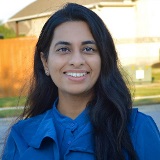
Mridula Bontha, Scientist II, Machine Learning & Cheminformatics, Nurix Therapeutics
Mridula Bontha is a machine learning scientist specializing in applied computational biology and cheminformatics, currently serving as a Scientist II at Nurix Therapeutics, a biotechnology company focused on innovative drug discovery approaches. She applies advanced AI/ML methods to support predictive modeling for pharmacokinetics and pharmacodynamics in drug development and has presented her work at leading scientific forums. Prior to her current role, Mridula gained research experience across academic and national laboratory settings, including work on deep learning applications in protein structure assessment during her graduate studies at Colorado State University. Her master’s thesis involved developing 3D convolutional neural network models for evaluating protein-protein docking quality, illustrating her expertise at the intersection of machine learning and structural biology. With a foundation in computational science and a strong focus on leveraging AI for biological and chemical problems, Mridula contributes to advancing machine learning’s impact on early-stage drug discovery and therapeutic innovation.
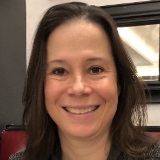
Kris A. Borzilleri, Principal Scientist, Structural Biology & Molecular Sciences, Pfizer Global R&D, Groton Labs
25+ years of experience within Pfizer Research and Development focusing on target-ligand interactions using a variety of biophysical techniques. The earlier part of my career was spent was largely focused on protein NMR techniques to solve protein structures and evaluate ligand binding. In an effort to provide greater impacts, my efforts turned towards a variety of biosensing techniques (SPR, BLI, SPRm) to access binding interactions for targets across the Pfizer portfolio. With recent technology development, I have been able to apply these biophysical techniques to membrane proteins in the whole cell environment as well as in membrane preparations.
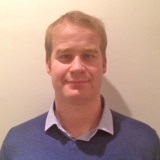
Anthony Bradley, D.Phil, Assistant Professor, Department of Chemistry, University of Liverpool
Dr. Bradley is a multi-disciplinary scientist in computer-aided compound design using structural data. He completed a first-class MChem in Chemistry from the University of Oxford in 2010. He carried out an interdisciplinary DPhil also at the University of Oxford on the SABS-IDC programme. During this he developed computational tools (OOMMPPAA and WONKA) for structure-based drug design-working with the SGC Oxford and GlaxoSmithKline. Subsequent to his DPhil, he carried out a postdoc at the RCSB PDB (UC San Diego) where he worked on novel compression algorithms for macromolecules, including the MMTF file format. He then worked as a Project Leader with the Oxford Chemistry department, Diamond Light Source, and the SGC Oxford on the XChem project (high-throughput X-ray screening of fragments). Here he generated tools and future funding for fragment-based compound optimisation leveraging the XChem platform. From 2018 to 2024, he worked at Exscientia, where he developed their physics-based drug discovery platform. Now he leads an academic group at the University of Liverpool where his interests lie in using computation and automation to accelerate drug design.
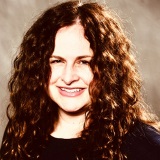
Vanessa Braunstein, Senior Director, TuneLab AI Drug Discovery Platform, Eli Lilly & Co.
Vanessa has spent her academic and business career exclusively in life sciences & healthcare. She has worked at large pharma/biotech/tech companies such as Sanofi, Abbott, and NVIDIA and start-ups such as Ingenuity Systems (acquired by Qiagen) and Fabric Genomics (acquired by GeneDx). Vanessa is currently Senior Director at Eli Lilly focused on the Lilly TuneLab AI/ML Drug Discovery Platform. Vanessa began her career in academics and clinical research at UC Berkeley and UCSF and then transitioned to roles building new products, product marketing, and commercial ecosystem growth.
Paul Brennan, PhD, Professor, Nuffield Department of Medicine, University of Oxford
Paul Brennan received his PhD in organic chemistry from UC Berkeley. Following post-doctoral research at Cambridge University, Paul spent eight years working in the pharmaceutical industry at Amgen and Pfizer. After leaving Pfizer in 2011, Paul joined the Structural Genomics Consortium at the University of Oxford and led the chemical probes discovery effort on epigenetic targets. After leaving the SGC in 2019, Paul was Head of Chemistry and then Chief Scientific Officer of the Alzheimer’s Research UK Oxford Drug Discovery Institute where his research was focused on finding new treatments for dementia. In addition to dementia, over the course of his career, Paul has worked on discovering new medicines for cancer, incontinence, pain, rare diseases, and inflammation. Paul is currently Professor of Medicinal Chemistry and Director of the Centre for Medicines Discovery at the University of Oxford and a scientific advisor to the biotech and pharmaceutical industries. His research centre is focused on early medicines discovery for poorly treated diseases.
Benjamin Brennecke, PhD, Scientist, DELT Platform, Small Molecule Research Lead Discovery, F. Hoffmann-La Roche Ltd.
Benjamin Brennecke, PhD, is a scientist in the Roche DEL technology group located in Basel, Switzerland. He earned his PhD in chemistry working on enzymatically activatable luminescent probes under the supervision of Marc Nazaré at the Leibniz Forschungsinstitut für Molekulare Pharmakologie (FMP) Berlin. He then moved to Geneva, Switzerland, for his Postdoc with Prof. Nicolas Winssinger, developing combinatorial library generation methods for PNA-tagged affinity proteins. At Roche, Benjamin currently works on chemistry and methodology implementation for DNA-encoded libraries.
Dean G. Brown, PhD, Vice President & Head, Chemistry, Jnana Therapeutics
Dean Brown is VP and Head of Chemistry at Jnana Therapeutics. Prior to Jnana, he was Director of Chemistry at AstraZeneca within the Hit Discovery Department, Discovery Science IMED Biotech Unit. He obtained a B.S in chemistry at Abilene Christian University (Abilene, TX) and a Ph.D. at the University of Minnesota (Minneapolis) in organic chemistry. He has over 20 years of experience in industry with AstraZeneca. Dean has been responsible for building many new scientific programs in both neuroscience and infection, several which have resulted in successful transition to clinical trials. His scientific interests are in lead generation, library design, DNA-encoded library screening, synthetic chemistry and applications of computational chemistry. Dean is listed as an author or co-author on more than 60 publications and patent applications in medicinal chemistry and drug design, including granted patents on clinical candidates.
Yong Cang, PhD, Professor, ShanghaiTech University; Co-Founder & CSO, Degron Therapeutics
Yong Cang is the Co-founder and CSO of Degron Therapeutics. He is a scientific leader in targeted protein degradation, ubiquitin ligase biology, and cancer immunotherapy with 30+ publications in top biomedical journals. Dr. Cang pioneers novel molecular glue degrader discovery strategies, with a focus on screening approach development and mechanistic understanding of interactions between molecular glue drugs, ubiquitin ligases, and neo-substrates. Dr. Cang is a professor and head of the Laboratory of Targeted Protein Degradation in the School of Life Science and Technology of ShanghaiTech University. He previously was an assistant professor in the NCI-designated Cancer Center of Sanford Burnham Prebys Medical Discovery Institute and a professor of Zhejiang University. Dr. Cang consulted for pharmaceutical industry and venture funds. Dr. Cang received a Bachelor of Science degree from Fudan University and a PhD in Molecular Genetics from the Albert Einstein College of Medicine. He completed his postdoctoral training with Professor Stephen Goff at Columbia University and HHMI.
Daniele Canzani, PhD, Senior Scientist II, Talus Bio
Daniele Canzani received a PhD in Chemistry from the University of Washington, where he developed new mass spectrometry approaches for studying protein interactions. He joined Talus Bio in 2021, where he has led development of mass spectrometry and chemoproteomics technologies for characterizing transcription factor activity and abundance in native cellular environments.

Matthew Chalkley is a Senior Advisor in Computational Chemistry at Eli Lilly and Company, where he applies structure-based modeling, free-energy methods, and data-driven workflows to support drug discovery programs. Prior to Lilly, he was a Scientist in Next Generation Medicine Design (CADD) at Bristol Myers Squibb, developing computational strategies for PROTAC design, ADME modeling beyond Rule-of-5 space, and E3 ligase discovery. Matthew completed his NIH postdoctoral training at UCSF, applying molecular simulation, electronic structure theory, and protein design to problems in chemical biology and structural biology. He earned his PhD as an NSF Graduate Fellow at Caltech, combining theory and experiment to study catalytic mechanisms.
Srinivas Chamakuri, PhD, Assistant Professor, Pathology & Immunology, Baylor College of Medicine
I earned my PhD in Organic Chemistry from the University of Hyderabad, India, where my doctoral research focused on the synthesis of natural product-inspired hybrid macrocycles. Following my doctoral studies, I pursued postdoctoral training in Dr. Young's research group at Baylor College of Medicine, where I specialized in creating SP3 rich heterocycles to develop 3D-enriched small molecule libraries for Fragment-Based Drug Discovery and DNA-encoded chemical library technology. Currently I am an Assistant Professor at the Center for Drug Discovery in the Department of Pathology & Immunology at Baylor College of Medicine. I lead the DNA-encoded chemical library platform at CDD and oversee hit validation and optimization.
Rajeev Chorghade, PhD, Principal Scientist, Biophysics, GlaxoSmithKline
Rajeev S. Chorghade, PhD, Principal Scientist, Affinity Selections & Biophysics, GlaxoSmithKline Rajeev completed his graduate studies in Professor Marty Burke’s lab at the University of Illinois at Urbana-Champaign, where he developed a mechanism to address cystic fibrosis (CF) with an ion-channel forming small molecule that restored anion secretion in airway epithelia independent of the defective CFTR protein. This work initiated ongoing clinical trials in people with CF. He then completed postdoctoral research in Professor Laura Kiessling’s lab at the Massachusetts Institute of Technology, where he developed biophysical and biochemical assays to investigate the mechanisms by which carbohydrate-binding proteins, lectins, identify and respond to extracellular glycans on microbial pathogens. Currently, he works at GSK within the Encoded Technologies platform, where he develops assays for DNA-encoded small molecule and oligonucleotide selection methodology and hit qualification/development.
Alessio Ciulli, PhD, Professor, Chemical & Structural Biology and Director of the Centre for Targeted Protein Degradation, University of Dundee
Alessio Ciulli studied chemistry in Florence, Italy, and obtained his PhD from the University of Cambridge, UK, in 2006. After postdoctoral research in Cambridge and a brief visit at Yale University in the USA, he returned to Cambridge in 2009, to start his independent laboratory. In 2013, he moved to the University of Dundee, UK, where he was promoted to full professor in 2016. He has received numerous awards, including most recently the Prous Institute-Overton and Meyer Award for New Technologies in Drug Discovery. He is the scientific founder of Amphista therapeutics, a targeted protein degradation company spin-out of his laboratory, and the founder of the University of Dundee’s new Centre for Targeted Protein Degradation which he directs and opened in January 2023.
Logan Combee, PhD, Senior Principal Scientist, Chemistry Encoded Technologies, GSK
No bio available.
Gabriele Corso, PhD, Co-Founder and CEO, Boltz
Gabriele is the co-founder and CEO of Boltz, a company building the AI models and software tools to enable a new era in drug discovery and biological research. Gabriele received his PhD at the MIT Computer Science and Artificial Intelligence Laboratory where he developed state-of-the-art models for biomolecular modeling, including DiffDock, Boltz-1 and Boltz-2.
Gerald Crabtree, MD, David Korn Professor of Experimental Pathology & Developmental Biology, Stanford University
Gerald Crabtree is the David Korn Professor of Pathology at Stanford University. He is best known for developing chemical inducers of proximity in collaboration with Stuart Schreiber. These molecules have been used to define the role of induced proximity in biology and to develop new therapeutics.
Kelly Craft, PhD, Senior Scientist I, Discovery Research, AbbVie Inc
Born in Atlanta, GA, Kelly began her academic journey in 2014 with a B.S. in Chemistry from Birmingham-Southern College. She then went on to earn a Ph.D. in Organic Chemistry in 2019 from Vanderbilt University working with Professor Steven D. Townsend to investigate the role of human milk oligosaccharides as a defense against infectious diseases. During her studies, Kelly authored 13 scientific articles, including 10 as first author. From 2019-2021 she served as a Postdoctoral Fellow in Chemistry and Chemical Biology at Harvard University working under Professor Andrew G. Myers on the development of synthetic discovery platforms for antibiotics. Since July 2021, Kelly has worked at AbbVie and is currently working in the Global Medicinal Chemistry (GMeC) group.
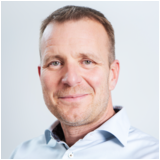
Michael Dabrowski, CEO, Management, Pelago Bioscience AB
Michael Dabrowski, PhD, is co-founder and CEO of Pelago Bioscience. A highly experienced in vitro pharmacologist and expert in biological assay development, Michael brings over 15 years of drug discovery expertise from leading pharmaceutical companies including Novo Nordisk and AstraZeneca. His career spans roles as senior scientist, technology specialist, project leader, and scientific manager. Michael has contributed across multiple therapeutic areas, consistently delivering strong results in science, project execution, team leadership, and budget management.
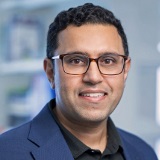
Arvin Dar, PhD, Professor, Chemical Biology, Memorial Sloan Kettering Cancer Center
Arvin Dar is a member and professor in the Chemical Biology Program at Memorial Sloan Kettering Cancer Center’s Sloan Kettering Institute, where he is also vice director of the Center for Experimental Therapeutics. Dr. Dar graduated from the University of Western Ontario with a BSc in chemistry, earned his PhD from the University of Toronto, and received postdoctoral training at the University of California, San Francisco. Prior to joining MSK in June of 2023, Dr. Dar led an independent research group at the Icahn School of Medicine at Mount Sinai for approximately 10 years. Dr. Dar’s research is focused on kinase structural biology and small molecule design and synthesis. His laboratory has discovered several leads for therapeutic development, including chemical switches and molecular glues to target genetically defined cancers driven by the RAS and WNT pathways. In addition, Dr. Dar co-founded Nested Therapeutics (nestedtx.com) to advance innovative therapeutics aimed at challenging cancer targets and to increase the number of patients that benefit from precision medicine. Dr. Dar has received numerous awards and honors for his research, including the NIH Director’s New Innovator Award, Damon Runyon-Rachleff Innovation Award, the Pew Charitable Trusts’ Pew-Stewart Scholars for Cancer Research award, Pershing Square Sohn Cancer Research Alliance Award, Junior Faculty Award at Mount Sinai, and the Mark Foundation for Cancer Research ASPIRE Award.
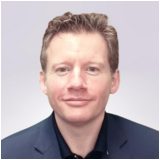
Adam Davenport, CSO, Concept Life Sciences
Dr. Adam Davenport, Chief Scientific Officer at Concept Life Sciences, brings over 25 years of experience in drug discovery, scientific leadership, and partnership development. He has held senior roles including Chief Discovery Officer at Proxygen, Chief R&D Officer at Dalriada Drug Discovery, and Executive Vice President, Head of Molecular Discovery at Evotec. An accomplished drug hunter with more than 60 patents and publications, Dr. Davenport has led multiple programs into the clinic, including the P2X3R antagonists Eliapixant and Filopixant, and the Bradykinin B1R antagonist Fulimetibant. He holds a PhD in Organometallic Chemistry from the University of Leicester.
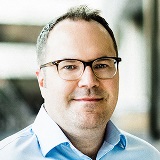
Chris De Savi, PhD, CSO Partner, Curie Bio
As Senior Vice President, Head of Drug Discovery at Kymera Therapeutics, Chris was responsible for medicinal and computational chemistry, lead discovery (biochemistry, biophysics, structural biology), preclinical development (DMPK and Toxicology), and proteomics. His team contributed to all drug discovery phases at Kymera from project inception through to clinical candidate discovery and beyond. Prior to joining Kymera, Chris was head of chemistry at Blueprint Medicines, a precision medicine company specialized in kinase drug discovery and development. Chris has deep experience in leading discovery research groups and project teams in both global pharmaceutical and biotech companies. He has directly contributed to the invention of 9 clinical candidate drugs for oncology and inflammation disease - most recently BLU-945, an EGFR T790M/C797S triple mutant inhibitor for the treatment of lung cancer, AZD4573, a selective CDK9 inhibitor for the treatment of haematological malignancies and AZD9496, an oral, selective estrogen receptor degrader for the treatment of ER+ breast cancer. He co-discovered Barasertib (AZD1152), a selective Inhibitor of Aurora B kinase for the treatment of AML. He is an author of over 50 peer-reviewed publications and patents in the fields of medicinal chemistry and drug discovery and a PhD qualified chemist who has previously held academic positions at Queens’ College Cambridge and University of Cambridge, Cambridge, UK.
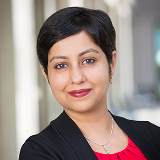
Anwesha Dey, PhD, Executive Director & Distinguished Scientist, Research Oncology, Genentech Inc.
Anwesha Dey is a Director and Distinguished Scientist in the Discovery Oncology Department at Genentech. Prior to this position, she held postdoctoral research fellowships in the laboratory of Vishva Dixit at Genentech and at the Institute of Molecular and Cell Biology (IMCB), A*STAR, Singapore, in the laboratory of Sir David Lane. Her scientific research at Genentech is focused on understanding the biology of Hippo and PI3K signaling pathways and how they can be targeted for cancer therapy. She has served as both the Project Team Leader and Biology Lead for multiple drug discovery programs at Genentech. Anwesha has published extensively in several high impact journals. She serves on the Scientific Advisory Board (SAB) of the Keystone Symposia and is a recipient of the 2022 GWP Emerging Leader Award at Genentech and the 2023 Distinguished Service Alumni award from University of Maryland at Baltimore County.
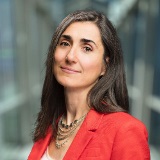
Paola Di Lello, PhD, Senior Principal Scientist & Group Leader, Structural Biophysics, Genentech Inc
Paola Di Lello is a Senior Principal Scientist and Group Leader in the Department of Structural Biology/Protein Sciences at Genentech. She received her Ph.D. in Biotechnology from the Second University of Naples and completed a postdoctoral fellowship at the Université de Montréal, where she characterized the structures and interactions of proteins involved in eukaryotic transcription regulation. Her current research at Genentech employs integrated techniques, including nuclear magnetic resonance (NMR) and in silico modeling, to discover and characterize small-molecule inhibitors for diverse therapeutic targets. As a structural biologist, she also focuses on elucidating protein-protein interactions within complex biological pathways, specifically investigating the mechanisms of action by which small molecules inhibitors modulate these pathways to achieve a therapeutic effect.
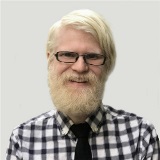
Nathan Dupper, PhD, Senior Scientist, Medicinal Chemistry, Circle Pharma Inc.
Nathan received his Ph.D. from the University of California, where he developed synthetic methodologies. After completing his graduate studies, he worked as a Postdoc at the University of Southern California where he helped develop novel antifungal agents by targeting the bromodomain containing protein Bdf1. Nathan joined Circle in 2021 and is a Sr. Scientist in the medicinal chemistry department.
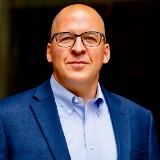
Kyle J. Eastman, PhD, Vice President, Chemistry, Halda Therapeutics Inc.
Kyle Eastman is VP and Head of Chemistry at Halda Therapeutics in New Haven, CT, where he and his colleagues have invented the novel bifunctional technology RIPTAC Therapeutics. The Halda team progressed their lead prostate program asset HLD-0915 into the clinic in Q1 2025. Previously, Kyle was a program leader at Achillion where he helped advance the complement pipeline including support for the notable Factor D program and initiation of an additional complement pathway discovery program that together contributed to a near $1 billion acquisition by Alexion. Before Achillion, Kyle had spent almost a decade working across several virology programs at BMS in Wallingford, CT. During this time Kyle and his lab invented and contributed to several compounds advanced to the internal BMS development organization including the invention of the first pan-genotype HCV inhibitor. Additional efforts from his lab resulted in the invention of a host of orally bioavailable lead compounds targeting a novel HIV target that became a focal point in the BMS HIV divestiture to ViiV/GSK. Prior to beginning his career at BMS, Kyle spent two years at The Scripps Research Institute (TSRI) working with Phil Baran for post-doctoral studies. Kyle earned his PhD in synthetic organic chemistry at The Pennsylvania State University in 2006.
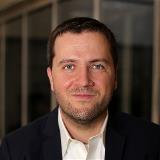
Matthew T. Eddy, PhD, Assistant Professor, Chemistry, University of Florida, Gainesville
Matthew Eddy received his PhD in physical chemistry from the Massachusetts Institute of Technology in the laboratory of Professor Robert Griffin. During his PhD, Dr. Eddy developed new approaches for using nuclear magnetic resonance (NMR) in the solid state to determine structures of membrane proteins in cellular-like environments. Following his PhD, Dr. Eddy joined the laboratories of Professors Raymond Stevens and Kurt Wüthrich at The Scripps Research Institute as an American Cancer Society Postdoctoral Fellow, applying an integrative structural biology approach to study human G protein-coupled receptors (GPCRs) and focusing on applications of nuclear magnetic resonance to improve our understanding of GPCR allosteric functions. Dr. Eddy is currently an assistant professor in the Department of Chemistry at the University of Florida and affiliated faculty of the National High Magnetic Field Laboratory. His group continues to study human GPCRs to understand the role of the cellular environment in regulating GPCR dynamics, structure, and function.
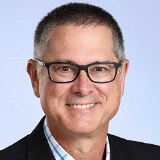
James Edwards, PhD, Venture Partner, Samsara BioCapital
Jim joined Samsara BioCapital as a Venture Partner in Fall 2022 and has over 28 years of experience in drug discovery across multiple therapeutic disciplines. Prior to joining Samsara, Jim spent 22 years at Janssen Research & Development in roles of increasing responsibility. Most recently, he was Vice President and Global Head, In Silico Discovery & External Innovation, leading a multi-disciplinary group of computational & data scientists providing predictive and design tools across all modalities within the Therapeutics Discovery organization at Janssen. Prior to this, he was Vice President, Discovery Chemistry, leading drug discovery teams at multiple sites in the US and Europe. These teams were responsible for the discovery of small molecule drug candidates working with partners across all six Therapeutic Areas within JRD and delivered clinical-stage small molecule drug candidates against targets ranging from kinases (e.g., BTK, JAK) & other enzymes (MALT1) to cytokines (IL17) & cytokine receptors (IL23R).
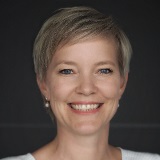
Veronika Ehmke, PhD, Senior Principal Scientist, Global Discovery Chemistry, Oncology, Novartis Biomedical Research Basel
Veronika is trained as an organic chemist and earned her PhD from the Swiss Federal Institute of Technology (ETH) in Zurich. After completing postdoctoral research at Stanford University, she joined Novartis’ Global Discovery Chemistry team in Basel in 2014, where she supported several immunology projects before transitioning to the oncology group. In that team, she led chemistry projects ranging from early hit identification to lead optimization across different pathways and modalities, such as protein-protein disruptors, molecular glue degraders, and allosteric and covalent small molecule inhibitors. Currently, Veronika is a project and group leader, responsible for a targeted therapy project with a focus on the application of various AI/ML and generative chemistry approaches.
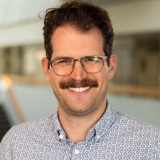
Michael Erb, PhD, Associate Professor, Department of Chemistry, The Scripps Research Institute
Michael Erb is an Associate Professor in the Department of Chemistry at The Scripps Research Institute. He graduated with a BA in biochemistry from Claremont McKenna College in 2014, received his PhD from Harvard University under the mentorship of Jay Bradner in 2017, and began his independent career as one of the inaugural Scripps Fellows in 2017. His laboratory develops chemical tools to modulate tumorigenic gene regulatory programs, leveraging specific expertise in high-throughput chemical synthesis, chemically induced proximity, forward genetics, and transcriptional genomics to address challenging targets like DNA-binding transcription factors. Dr. Erb is the recipient of an NIH Director’s Early Independence Award (2018) and an Ono Pharma Foundation Breakthrough Science Initiative Award (2020).
.tmb-0.png)
Daniel A. Erlanson, PhD, Chief Innovation Officer, Frontier Medicines Corporation
Dr. Daniel A. Erlanson is the Chief Innovation Officer for Frontier Medicines, which is using covalent fragments, machine learning, and chemoproteomics to target proteins often thought undruggable. Prior to Frontier he co-founded Carmot Therapeutics, where he contributed to two clinical-stage molecules. Before Carmot, Dr. Erlanson spent a decade developing fragment-based discovery technologies and leading medicinal chemistry projects at Sunesis Pharmaceuticals. Dr. Erlanson was an NIH postdoctoral fellow with James A. Wells at Genentech, earned his PhD in chemistry from Harvard University in the laboratory of Gregory L. Verdine, and his BA in chemistry from Carleton College. He has co-edited two books on fragment-based drug discovery and is an inventor on more than a dozen issued patents and an author of more than forty scientific publications. He also runs a blog devoted to fragment-based drug discovery, Practical Fragments (http://practicalfragments.blogspot.com/).
- AI/Machine Learning for Early Drug Discovery - Part 2
- Covalent & Induced Proximity-Based Drugs
- Emerging Technologies for Discovery Chemistry
- DNA-Encoded Libraries
- Fragment-Based Drug Discovery
- SC2: Fragment-Based Drug Design: Advancing Tools and Technologies
- Oral & Macrocyclic Peptides: Discovery to Development - Part 2
- Targeting Protein-Protein Interactions
- Degraders & Molecular Glues - Part 2
.tmb-0.jpg)
John Erve, PhD, President, Jerve Scientific Consulting
John Erve is from Chicago and studied Chemistry (BS, MS) at the University of Chicago and earned a PhD in Toxicology at Oregon State University. Following postdoctoral work at Vanderbilt (1995-1999) he joined BD-Biosciences (Woburn, MA) as a Study Director. In 2002, he joined AstraZeneca (Sweden) where he characterized reactive metabolites. In 2004 he joined Wyeth (Collegeville, PA) as a Principal Scientist responsible for metabolite identification. In 2010, John joined Novartis (Cambridge, MA) as a Lab Head in Analytical Sciences. John returned to drug metabolism at Elan Pharmaceuticals (San Francisco, CA) in 2012 and later formed Jerve Scientific Consulting, Inc to help small biotech companies in the Bay area with their drug discovery efforts. John was a certified D.A.B.T. from 2004 to 2019.
Silvia Escudero, PhD, Principal Scientist, Foghorn Therapeutics
Silvia Escudero, PhD, is a Principal Scientist at Foghorn Therapeutics, where she focuses on targeting the chromatin regulatory system to develop novel cancer therapies. Trained as a biochemist and cell biologist, Silvia now applies her expertise to address some of the most challenging drug targets in oncology. She earned her PhD in Biological Chemistry from Harvard University, conducting research in Dr. Loren Walensky’s laboratory on anti-apoptotic proteins and their roles in metabolism. She holds dual bachelor's degrees in Chemistry and Cellular Biology from the University of Michigan.
Ghotas Evindar, PhD, Co-Founder & President, DEL Source; Former DEL Platform Senior Manager, GSK; and Head of Research at Exo Therapeutics and 1859
Dr. Ghotas Evindar is a recognized leader in drug discovery and a pioneer in DNA-Encoded Library (DEL) technology, with over two decades of experience advancing small-molecule therapeutics across the biotech and pharmaceutical industries. He currently serves as Co-Founder and President of DEL Source Inc., where he leads efforts to develop and apply DEL-based discovery platforms that enable the identification of novel therapeutics for challenging targets. Previously, Dr. Evindar led DEL discovery at GlaxoSmithKline (GSK) as Senior Site Manager in Boston, guiding numerous programs from early hits to development candidates. Earlier in his career, he was a core member of the original Praecis Pharmaceuticals team that helped establish the DEL platform as a transformative drug discovery technology, and he began his industry career as a medicinal chemist at Vertex Pharmaceuticals. Dr. Evindar has also held senior leadership roles as Head of Drug Discovery at 1859 Inc. and Exo Therapeutics. Dr. Evindar is widely recognized for his innovative contributions to DEL platform development, library design, and small-molecule discovery. A frequent speaker and educator, he actively supports the scientific community through industry courses, panels, and workshops focused on DEL innovation, AI-enabled screening, and the advancement of modern drug discovery.
Rick Ewing, PhD, Vice President and Head of Chemistry, Rapafusyn Pharmaceuticals
Dr. Rick Ewing (William R Ewing) is a senior medicinal chemist experienced in leading teams to deliver development candidates, running academic collaborations and leading scientific assessments for business development opportunities. Rick started his chemical career during his time as an undergraduate at West Chester University. After his first year, he took on an internship at the Chester County Health Department where he practiced analytical chemistry, testing water samples that were obtained throughout the county. After completed his first internship, Rick then took on a co-op position at Wyeth Laboratories in their Quality Assurance department. This again was an analytical chemistry position using both wet chemistry and instrumentation to assay final drug products and API for release to the marketplace as well drug stability testing to assess drug storage. The co-op was extended to cover Rick’s last three years at West Chester University. Rick received the ACS Philadelphia local undergraduate award for his scholastics and achievements at West Chester University. It was during his time at Wyeth that Rick became passionate about learning the art of drug discovery and hence decided to pursue a PhD degree. Rick entered the doctoral program at the University of Pennsylvania study under professor Madeline Joullie. At Penn, Rick took on the total synthesis of Didemnins and Detoxinines. During his third year, both Rick and Professor Joullie were approached by Dr. Paul Wiess (Professor emeritus in the University of Pennsylvania’s Chemical Engineering department) to work on the problem of delivering molecules to inhibit angiogenesis. This led to a productive drug discovery consortium with Prof. Joullie (U. Penn Chemistry), Dr. Juda Folkman (Harvard Medical School), and Prof Paul Wiess (U. Penn Chem. Engineering). Rick was involved in the consortium over his last two years of his time at U. Penn. Rick completed his PhD studies in the fall of 1988. Rick started his industrial career as a medicinal chemist at Rorer Pharmaceuticals, a small pharma company with labs in King of Prussia. He was fortunate to have project leadership on the first programs he worked on at Rorer. Rorer became a larger pharmaceutical company after being acquired by Rhone-Poulenc. Rick then had the great fortune to work in a global company that embraced overseas travel to increase exposure to diverse ways to do research as well as frequent trips to the RPR site in Vitry just outside Paris. The policies at RPR allowed Rick to present every year at Peptide and drug discovery conferences throughout his career at RPR. In addition to many GPCR targets, Rick worked in the area of discovering anti-thrombotic therapeutics by finding platelet and coagulation cascade inhibitors. In 1998 RPR merged with Hoechst to form Aventis. It was at this time that Rick was recruited to become a Group Leader at Bristol-Myers Squibb. Rick rose to senior director in small molecule drug discovery at Bristol Myers Squibb where he led medicinal chemistry teams in the therapeutic areas of cardiovascular, diabetes, obesity, and heart failure. In these areas, Dr. Ewing led medicinal chemistry teams to deliver over 15 development candidates. Among these are Milvexian, a first in class Factor XIa inhibitor currently in PIII development (Janssen/BMS). In addition to his roles in medicinal chemistry, Rick led the BMS chemistry awards program for more than 10 years. The awards program recognized graduate students through a 1 year graduate fellowship and pre-tenure professors with a two year unrestricted grant. The awards program included an awards symposium at BMS with the awarded professors and graduate students presenting. Rick led the two BMS academic collaborations with Scripps and Princeton where he helped build research programs directed at addressing long range synthetic and structural chemistry problems relevant to medicinal chemistry. Over his last 5 years at BMS, Rick took on additional responsiblities through a lead role in the scientific assessment of external assets and technologies to potentially be brought into BMS. In this role, Rick took part in over 100 scientific evaluations in business development across multiple therapeutic areas including oncology, immunology, fibrosis, heart failure and platform technologies. From this effort, Rick developed a strong interest in joining biotech. He went on to begin his biotech career in the position of Vice President, Head of Drug Discovery at the Barer Institute, a discovery phase oncology biotech company. After the Barer Institute, Rick joined Rapafusyn as VP, Head of Chemistry where he continues his research career in discovering Type I molecular glues to inhibit intracellular PPIs of aberrant proteins. Rick is co-inventor on 75 patents, and co-author on 74 peer reviewed publications. In 2023, Rick was awarded the 2023 Edison Patent Award in Biotechnology, a team award for research done with BMS and the Scripps Institute. Also in 2023, Rick received the Philadelphia Section Award for his lifelong achievements in drug discovery research. In 2021, he was awarded the American Chemical Society (ACS) Fellow for his scientific achievements and contributions to the Society, and in 2018 received the Ondetti-Cushman award for leadership of the FXIa team that discovered Milvexian.
Fleur Ferguson, PhD, Assistant Professor of Chemistry and Biochemistry and Assistant Professor, Skaggs School of Pharmacy and Pharmaceutical Sciences, University of California, San Diego
Dr. Ferguson received her MSc in Chemistry from Imperial College London, and her PhD in Chemistry from the University of Cambridge. At Cambridge, Fleur worked in the laboratories of Professors Chris Abell and Alessio Ciulli where she used fragment-based ligand discovery techniques to evaluate the ligandability of bromodomains as the target class, and develop inhibitors of BAZ2B. Fleur joined the laboratory of Professor Nathanael Gray at Harvard Medical School and Dana-Farber Cancer Institute as a postdoctoral fellow in 2015. Her postdoctoral work has focused on employing medicinal chemistry techniques to generate high-quality chemical probes, and using them to investigate the biological functions of understudied kinase targets, such as CDK14 and DCLK1. In addition, Fleur is also interested in targeted protein degradation; here she is using chemoproteomic approaches to understand the chemical and cellular variables that contribute to successful small molecule induced degradation across the kinome, and applying targeted protein degradation to clear misfolded tau proteins in dementia. She recently started her new position at University of California in San Diego.
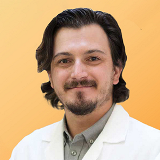
Dillon Flood, PhD, Scientific Director, Elsie Biotechnologies, a GSK company
Dillon Flood, PhD, is a scientist and entrepreneur based in San Diego with expertise in oligonucleotides, peptides, and bioconjugation chemistry. He is Scientific Director at Elsie Biotechnologies, a GSK company, where he leads innovation in delivery and screening platforms. Prior to Elsie’s acquisition by GSK, he co-founded the company and guided its scientific and strategic growth. Dillon earned his PhD in Chemistry from The Scripps Research Institute and BS in Chemical Biology from UC Berkeley.
.tmb-0.jpg)
Timothy L. Foley, PhD, Senior Principal Scientist & Lab Head, DNA Encoded Library Selection & Pharmacology, Pfizer Global R&D Groton Labs
Tim first obtained his BSc in cell biology and biochemistry and then a MSc in organic chemistry at the University of California - San Diego (UCSD). Still at UCSD, he pursued inhibitors of bacterial natural product biosynthesis and received his Ph.D. in chemistry in 2010. He conducted his post-doctoral studies at the National Center for Advancing Translational Sciences (NCATS) at the NIH from 2010 to 2014. In this position, he further developed his knowledge of enzymology and molecular pharmacology in the context of high throughput screening. Tim joined Pfizer in February 2014 to support the Pfizer Centers for Therapeutic Innovation portfolio and the Serine Hydrolase Gene Family platform. Tim’s lab guides pharmacology assay design and execution for projects to support hit discovery and compound optimization into clinical candidates. Since 2017, he has been leading the organizational effort to develop hit identification capabilities with DNA-encoded library technologies.
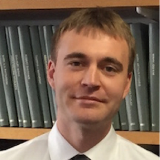
Jerome M. Fox, PhD, CEO, Think Bioscience
Jerome is the CEO of Think Bioscience, a fully integrated drug discovery company based in Boulder, Colorado. Think spun out of Jerome's lab at the University of Colorado - Boulder (at CU), where he is a member of the faculty of the Department of Chemical and Biological Engineering. At CU, his lab focuses on the development of new methods to engineer biocatalytic networks for the discovery and synthesis of functional molecules (e.g., fuels, dyes, or pharmaceuticals) and the design of new classes of synthetic systems. For this work, he has received an NSF CAREER Award, an ARO Young Investigator Award, an ARO Early Career Award for Scientists and Engineers, and an NIH Maximizing Investigators’ Research Award. Jerome holds a B.S. in Environmental Engineering from Johns Hopkins and a PhD in Chemical Engineering from UC Berkeley. He completed his post-doctoral training with George Whitesides at Harvard.
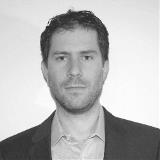
Raphael Franzini, PhD, Assistant Professor, Medicinal Chemistry, University of Utah
Raphael M. Franzini received his PhD in Organic Chemistry from Stanford University under the supervision of Professor Eric T. Kool. He then went on to perform postdoctoral research in the group of Professor Dario Neri at ETH Zürich, Switzerland. In 2015, he was appointed as a faculty member in the Department of Medicinal Chemistry at the University of Utah. His research interests include the development of DNA-encoded libraries for drug discovery and bioorthogonal chemistry for applications in drug delivery and chemical biology.
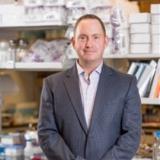
George Fromm, Jr., PhD, CSO, Kayak Therapeutics
George joined Shattuck Labs in 2017, where he is one of the scientific co-founders and currently serves as Chief Scientific Officer. Previously, George served as the Senior Director of Research and Development at Heat Biologics, Inc., where he directed the Discovery and Clinical based research efforts for their Phase I/II trials, and co-invented a ‘next-generation’ vaccine platform that combines a cell-based immunotherapy vaccine and a T cell costimulatory fusion protein in a single treatment. He has authored IND submissions, NIH and Private Foundation Grants, and numerous publications in leading journals, including Cell, Molecular Cell, Genes and Development, and Blood. He received his MS and PhD from the University of Rochester, NY and conducted his postdoctoral fellowship training with the NIH branch; National Institute of Environmental Health Sciences.
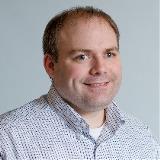
Bryan C. Fuchs, PhD, Senior Director & Research Therapeutic Area Head, GI & Liver Disease, Ferring Research Institute
Dr. Fuchs received his PhD in Biology from Saint Louis University and completed a postdoctoral fellowship in the Division of Surgical Oncology at the Massachusetts General Hospital Cancer Center. As an Assistant Professor of Surgery at Harvard Medical School, his NIH-funded lab focused on preclinical drug development and non-invasive biomarker discovery for GI diseases. He has over 20 years of experience studying fibrosis, inflammatory diseases, and oncology. He is currently the Research Therapeutic Area Head for Gastroenterology at Ferring Pharmaceuticals.
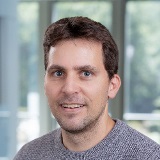
Jakob Fuhrmann, PhD, Senior Principal Scientist, Peptide Therapeutics, Genentech, Inc.
Jakob Fuhrmann is a Principal Scientist at Genentech, where he leads a medicinal chemistry group in the field of peptide and peptidomimetic drug discovery. He received his PhD from the University of Vienna, Austria, where he discovered protein arginine phosphorylation as a new type of post-translational modification. He performed his postdoctoral studies in chemistry at the Scripps Research Institute generating novel small-molecule inhibitors and probes against a variety of targets. He has extensive experience in medicinal chemistry, structural biology (including targeted protein degradation), structure-guided designs, as well as property-based lead optimization. Jakob holds a number of patents, and is author of several high-impact publications across different drug modalities.
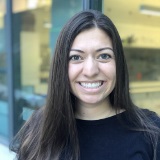
Gillian Gadbois, Graduate Student, Laboratory of Dr. Fleur Ferguson, Department of Chemistry & Biochemistry, University of California San Diego
Gillian "Gig" Gadbois is a PhD candidate in Biochemistry and Molecular Biophysics at the University of California, San Diego, in the laboratory of Fleur Ferguson. Her graduate research focuses on chemical biology strategies to study and expand the capabilities of targeted protein degradation for difficult-to-drug proteins. Prior to UC San Diego, she earned her B.S. in Biochemistry from Santa Clara University.
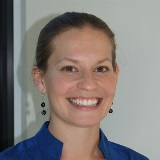
Emily Garcia Sega, PhD, Associate Director, Medicinal Chemistry, Arrakis Therapeutics
Emily Garcia Sega obtained her PhD in organic chemistry from the University of California, San Diego. Following a postdoctoral appointment at Ithaca College, Emily began her career as an Assistant Professor of Chemistry and Biochemistry at Bridgewater State University with research focused on utilizing small molecules to target RNA as well as Quorum Sensing. Emily later moved to Western New England University, where she earned tenure and promotion to Associate Professor. After 10 years in academia, Emily decided on a career pivot and has been enjoying her new career in the biotechnology industry as a Medicinal Chemist at Arrakis Therapeutics since 2021.
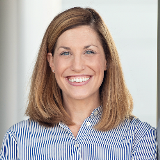
Amanda Garner, PhD, Charles Walgree, Jr. Professor and Associate Chair, College of Pharmacy, Department of Medicinal Chemistry, University of Michigan
Amanda L. Garner is the Charles Walgreen, Jr. Professor and Associate Chair of the Department of Medicinal Chemistry in the College of Pharmacy at the University of Michigan. She received her Ph.D. in Chemistry from the University of Pittsburgh and completed NIH-funded postdoctoral studies at The Scripps Research Institute. Dr. Garner began her independent career in 2013 at the University of Michigan and her research integrates chemical biology, medicinal chemistry, and molecular and cellular biology approaches for early-stage drug discovery efforts with a primary focus on validating new therapeutic targets in RNA biology. For her research accomplishments, she was awarded Catalyst Awards from the Dr. Ralph and Marian Falk Medical Research Trust in 2016 and 2022, named a Rogel Scholar from the Rogel Cancer Center in 2022, awarded the David W. Robertson Award from the ACS Division of Medicinal Chemistry in 2022, and Ono Pharma Breakthrough Science Initiative Award in 2023.
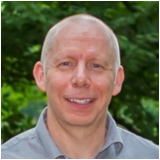
Eric Gilbert, Consultant, Life Sciences, Elsevier Inc
Eric is a Life Sciences consultant in the Professional Services Group at Elsevier. He received his PhD in organic chemistry from UC Irvine and has 20 years of experience in big pharma, focusing on drug discovery as a medicinal chemist. Eric leverages his extensive industry experience and background in data science to lead analytics and predictive modeling projects for pharmaceutical clients and government agencies. His expertise helps clients make informed decisions to drive innovation and enhance the efficiency of drug development.
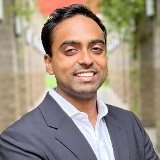
Sai Gourisankar, PhD, NCI K99/R00 Postdoctoral Fellow, Laboratory of Dr. Nathanael Gray, Stanford Cancer Institute
Sai Gourisankar, PhD is an NCI K99/R00 Postdoctoral Fellow at the Stanford Cancer Institute in the laboratory of Prof. Nathanael Gray. His PhD was in chemical engineering, advised by Prof. Gerald Crabtree, where he investigated mechanisms of epigenetic regulation in cancer and development. Dr. Gourisankar’s postdoctoral work focuses on developing new small molecule technologies to target and reprogram oncogenic drivers for therapeutic applications, particularly using chemical induced proximity approaches and enabled by biochemistry and genomics.
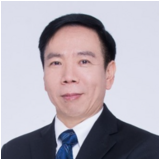
Tao Guo, SVP & Head of RCS IPM, WuXi Apptec Co Ltd
Dr. Tao Guo is SVP and Head of Research Chemistry Services Integrated Program Management, WuXi AppTec. He has over 30 years of experience in drug discovery. He was trained as an organic chemist with PhD from Columbia University and PostDoc from UC Berkeley. He is the recipient of over 40 issued US patents and an inventor of over 10 clinical candidate compounds with 1 approved drug by FDA.
Markus Haeberlein, PhD, Executive Vice President Discovery Science, Parabilis Medicines
Markus is a seasoned R&D executive with three decades of experience in Drug Discovery and Early Development across a broad range of disease areas. He currently serves as Executive Vice President of Discovery Science at Parabilis Medicines, which includes driving the advancement of Helicon degraders, a novel therapeutic modality. Prior to this role, he was Senior Vice President and Head of Research at Alkermes, where he played a central role in building a high-performing research organization distinguished by its focus on superior molecular design for both small molecules and biologics. Among the key achievements during his tenure was the discovery of ALKS 2680, a potent Orexin 2 Receptor agonist developed for the treatment of narcolepsy-targeting a receptor long considered challenging to drug. Before Alkermes, Markus was Chief Scientific Officer at Proteostasis Therapeutics, a biotech focused on diseases caused by improper protein degradation, folding and trafficking. Prior to that, Markus spent 15 years at AstraZeneca and held roles of increasing scope and responsibility, including leading AstraZeneca’s Global Chemistry Network where he was responsible for the company’s global chemistry strategy and implementation. A key focus of his strategy was the Predictive Chemistry platform utilizing state-of-the-art computational chemistry methods to improve the design of drug molecules. Markus holds a M.Sc. in Physical Chemistry, Biochemistry, Organic Chemistry and a Ph.D. in Physical Chemistry/Computational Chemistry from the Royal Institute of Technology, Sweden.
Patrick Hagan, Doctoral Candidate, Laboratory of Dr. Nicholas Cosford, NCI Designated Cancer Center, Sanford Burnham Prebys
Patrick Hagan is a doctoral candidate at the Sanford Burnham Prebys Graduate School of Biomedical Sciences and a member of the Cosford Lab, expecting to defend his thesis in 2026. His research focuses on translational cancer drug discovery, specifically the development of novel ULK inhibitors that degrade ATG13, inhibit autophagy, and target KRAS mutant cancers. His work spans the full discovery pipeline, advancing compounds from high throughput screening through mechanistic characterization and in vivo validation. Patrick combines scientific training with business and innovation experience through programs including Nucleate San Diego Activator program and the UCSD microMBA coursework, with a focus on translating discovery science into clinically actionable therapies. His research has been recognized through several invited presentations, including the Promega Targeted Protein Degradation and Induced Proximity Symposium and the Academic Drug Discovery Consortium "Next Generation Drug Hunter" program. He is also a finalist for the 2026 American Society for Pharmacology and Experimental Therapeutics Guppy Tank Translational Science Pitch Competition and was a Conrad Prebys Foundation Fellow.
Lawrence Hamann, PhD, Co-Founder & President & CEO, Interdict Bio
Larry Hamann is currently Co-founder, President and CEO of Interdict Bio, pioneering small-molecule context-dependent translation inhibitors for addressing historically undruggable targets in oncology and neurodegeneration. Previously, he was Global Head of Discovery at Takeda. Prior to Takeda, he was Corporate VP and Global Head of Small Molecule Drug Discovery at Celgene, and prior to Celgene, stints at Novartis, Bristol-Myers Squibb and Ligand. In >30 years in drug discovery, his teams have advanced >22 molecules into the clinic, including ONGLYZA™ for type II diabetes, DAKLINZA™ for HCV, and mRNA splicing modulator branaplam for SMA. At Celgene his teams built a state-of-the-art platform for molecular glue and heterobifunctional protein degradation therapeutic discovery and development with several molecules from these efforts, including mezigdomide, golcadomide, and gridegalutamide - targeted protein degraders - all currently in Phase III for hematologic and solid tumor oncology indications. He is co-inventor on >70 patents, co-author on >90 scientific publications, served as a standing member of the NIH SBCB study section, and serves on several academic and biotech boards. He is a recipient of the ACS Heroes of Chemistry Award, the ACS Division of Medicinal Chemistry Award, and was inducted into the Medicinal Chemistry Hall of Fame. Larry holds a Ph.D. in organic chemistry from the University of Michigan.
Amy He, PhD, Computational Chemist, Drug Design, Topos Bio
Yiran (Amy) He is a computational chemistist at Topos Bio, where she develops scalable computational pipelines for small-molecule discovery targeting intrinsically disordered proteins (IDPs). Her work integrates cloud-based molecular dynamics, ensemble docking, and generative modeling to accelerate structure-based design for challenging disordered targets. She holds a Ph.D. in Chemistry from The Ohio State University and a B.S. in Chemistry from Zhejiang University. Her research interests include automated molecular modeling, AI-driven ligand screening, and integrative biophysics of IDPs.
Abraham Heifets, PhD, Former Co-Founder & Former CEO, Atomwise Inc.
Abraham Heifets is a pioneer in applying artificial intelligence to drug discovery and co-founder of Atomwise, the first company to deploy deep learning for structure-based drug design. Under his leadership as CEO, Atomwise grew to nearly 100 employees and secured over $220 million infunding. The company established major partnerships with pharmaceutical leaders including Sanofi, Bayer, Eli Lilly, and Pfizer, while orchestrating the industry's largest AI-driven drug discovery initiative spanning hundreds of research institutions worldwide. Before founding Atomwise, Heifets was a Massey Fellow at the University of Toronto and the Ontario Brain Institute. His doctoral work focused on applying machine learning to solve complex challenges in organic synthesis planning. His earlier experience includes research into high-performance data processing at IBM's T.J. Watson Research Center and contributing to the AI system that powered Cornell University's world champion robotic soccer team. Heifets holds multiple degrees from Cornell University and was recognized as Time Magazine's Person of the Year in 2006.
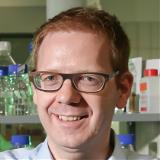
Christian Heinis, PhD, Associate Professor, Lab of Therapeutic Proteins & Peptides, EPFL Lausanne
Christian Heinis has studied biochemistry/chemistry at the ETH Zurich. After a PhD in the research group of Prof. Dr. Dario Neri at ETH, he did two post-docs, the first one with Prof. Dr. Kai Johnsson at the EPFL and the second one with Sir Gregory Winter at the LMB-MRC in Cambridge, UK. In 2008 he started as Assistant Professor at EPFL (supported with an SNSF professorship) and was promoted in 2015 to Associate Professor. Christian is a co-founder of Bicycle Therapeutics and the co-director of the NCCR Chemical Biology.
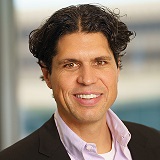
Johannes C. Hermann, PhD, CTO, Frontier Medicines
Johannes Hermann is an early pioneer in machine learning/AI approaches to accelerate drug discovery, with over a decade of leadership experience driving healthcare innovation and hunting drugs using AI. As the global head for Data Science at Johnson & Johnson Medical Devices Technology, Johannes integrated AI into digital & robotic surgery, sensor-based patient rehab assistance, and personalized patient treatment and risk assessments. As Janssen Pharmaceuticals’ global head of machine learning and advanced analytics, Johannes drove AI initiatives across the pharmaceutical value chain, from R&D to production and commercialization. Johannes started his career at Roche as a data scientist and drug designer. Johannes holds a PhD in quantum & molecular mechanics from the University of Düsseldorf, with postgraduate work at University of Bristol and UC San Francisco. As the CTO of Frontier Medicines, Johannes is deploying AI/ML to discover and develop breakthrough drugs against ‘undruggable’ targets.
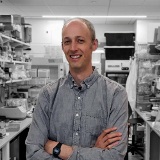
Stephen Hinshaw, PhD, Assistant Professor, Stanford School of Medicine
Stephen Hinshaw is an Assistant Professor in the Department of Molecular and Cellular Physiology and the Faculty co-Director of the Stanford Cryo-Electron Microscopy Center (cEMc). His laboratory develops and applies cutting-edge tools in chemical and structural biology to uncover fundamental cellular mechanisms and translate these insights into powerful new pharmacological strategies. Stephen received his undergraduate degree from Stanford University and earned his Ph.D. from the Harvard Program in Genetics and Genomics, where he discovered fundamental mechanisms governing chromosome segregation during mitosis. He then conducted postdoctoral research as a Helen Hay Whitney Fellow supported by the Howard Hughes Medical Institute at Harvard Medical School, with additional training as a visiting postdoctoral fellow at the Janelia Research Campus. During this period, he used cryo-electron microscopy to determine the structures of protein complexes that underlie genetic inheritance in normal and cancer cells. Prior to joining the Stanford faculty, Stephen led discovery efforts for new therapeutic modalities as a Senior Research Scientist in the Center for Therapeutics Discovery and at the Stanford Cancer Institute.
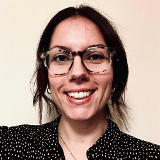
Charlotte Hodson, PhD, Associate Director, Astex Pharmaceuticals Ltd
Charlotte is an Associate Director at Astex Pharmaceuticals in Cambridge, UK. Charlotte began her studies in the field of Neuroscience, obtaining a Masters of Neuroscience from Manchester University. She then went on to complete a structural biology PhD in crystallography with Cancer Research UK at UCL and pursued her interest in cancer and structural biology fields, as a postdoc at St Vincent’s Institute, Australia. Charlotte joined Astex in 2017, where she applies her structural biology expertise to help develop small molecules for both oncology and CNS indications.
.tmb-0.jpg)
Benjamin Horning, PhD, Scientist, Vividion Therapeutics
Benjamin Horning was born in Portland, Oregon, and lived there until he departed for graduate studies with David MacMillan at Princeton University. After graduating, he departed for San Diego, California and did postdoctoral studies in the lab of Benjamin Cravatt. There he became fascinated by chemoproteomic screening of fragment electrophiles in native cellular environments, so he continued in that line of research and joined Vividion Therapeutics where he is now a Senior Scientist in the Early Discovery group.
.tmb-0.jpg)
Ken Hsu, PhD, Stephen F. and Fay Evans Martin Endowed Associate Professor, Department of Chemistry, The University of Texas at Austin
Prof. Hsu earned his PhD in Chemistry and Biochemistry from The University of Texas at Austin and completed his postdoctoral training at The Scripps Research Institute. The Hsu Laboratory focuses on the discovery of bioactive molecules. A central theme of the group is the development of covalent probes and inhibitors for investigating protein and lipid activity. Research in the group is multidisciplinary and uses a combination of organic synthesis, bioanalytical chemistry, and bioorganic chemistry. Current efforts include identifying new reactive chemistry, quantifying ligandability of proteins on a proteomic scale, and deciphering structure and function of membrane signals in living systems. Ultimately, the goal is to develop new molecules to enable chemical biology and therapeutic discovery. Prof. Hsu’s research program has been recognized by several awards including the highly competitive NIH K99/R00 Pathway to Independence Award, Department of Defense CDMRP Career Development Award, Melanoma Research Alliance Young Investigator Award, the NSF CAREER Award, the Emerging Leader Award from The Mark Foundation for Cancer Research, and CPRIT Recruitment of Rising Stars Award.
Juan Hu, PhD, Assistant Professor, Chemistry & Biochemistry, San Diego State University
I am an Assistant Professor in the Department of Chemistry and Biochemistry at San Diego State University. My research group develops analytical methods and predictive models to investigate cell membrane permeability and identify molecular features that enable efficient transmembrane transport. By exploring membrane properties such as lipid composition and chirality, we aim to inform the rational design of molecules capable of functioning in vivo. Our work integrates synthesis, biophysics, and microfluidic technologies to discover cell-permeable ligands for traditionally “undruggable” targets.
Sarah Hymowitz, PhD, Partner, The Column Group
Dr. Hymowitz joined The Column Group in 2021. As a partner in an early stage biotech-focused venture capital firm, she helps build and serve as a board member for innovative biotech companies. Previously she oversaw large molecule drug discovery efforts and mentored project teams on the identification and optimization of numerous small molecule and large molecule clinical candidates as the Vice President of Protein Sciences at Genentech. Dr. Hymowitz earned a B.A. in Chemistry from Swarthmore College and a Ph.D. in Biophysics from the University of California, San Francisco.
Anthony Iannetta, PhD, Senior Scientist, Discovery Sciences, AstraZeneca
Anthony Iannetta is a Senior Scientist within the Chemical Biology and Proteomics group at AstraZeneca. Prior to joining the team, Anthony received his PhD in Chemistry at the University of North Carolina at Chapel Hill where he applied mass spectrometry-based proteomics techniques to probe the dynamics of post-translational modifications and protein-protein interactions in stress response signaling networks. At AstraZeneca, he applies proteomics to impact drug discovery programs, mainly focusing on target identification, target engagement, and selectivity for programs pursuing degraders and covalent inhibitors. His career interests lie in pushing the throughput and capacity of this technology so that chemoproteomics/proteomics can be more frequently applied as a hit ID approach and integrated into DMTA cascades.
Fergus Imrie, PhD, Fellow, Department of Statistics, University of Oxford
Fergus is a Florence Nightingale Bicentenary Fellow at the University of Oxford in the Department of Statistics and part of the OpenBind consortium. Previously, he was a postdoctoral scholar at the University of California, Los Angeles (UCLA), and, before that, completed his DPhil (PhD) at the University of Oxford. His research focuses on developing machine learning methods for drug discovery, with a particular focus on structure-based methods, experimental design, and decision-making in drug discovery.
Charles Johannes, PhD, Founder, President, and Chief Scientist, EPOC Scientific LLC; Vice President, Peptide Drug Hunting Consortium
Charlie Johannes is the Founder, President, and Chief Scientist at EPOC Scientific, CO-founder, VP and board member of the Peptide Drug Hunting Consortium, and former Vice President of Exploratory Chemistry at Fog Pharmaceuticals, where he helped pioneer the development of hyper-stabilized helical peptides (Helicons™). With over 25 years of experience as a drug hunter and platform innovator, Charlie has led efforts in novel modality design, medicinal chemistry, and chemistry-enabled therapeutic platforms across industry and academia. At EPOC, he advises biotech startups, RLT companies, and venture firms on peptide therapeutics and translational strategy, with clients including Unnatural Products, 48Hour Discovery, Atommap, and others. Previously, he served as Head of Organic Chemistry at ASTAR in Singapore, where he led national peptide drug discovery initiatives, secured over $60 million in funding, and forged a landmark collaboration with Merck. He also held key scientific leadership roles at Forma Therapeutics, Infinity Pharmaceuticals, Eisai, and multiple research institutes under ASTAR. Charlie earned his Ph.D. in Organic Chemistry from Boston College under Prof. Amir Hoveyda, where he developed early applications of Ring Closing Metathesis for macrocycle and natural product synthesis.
Allan Jordan, VP Oncology Drug Discovery, Oncology Drug Discovery, Sygnature Discovery Ltd
Allan Jordan - VP, Oncology Drug Discovery Allan joined Sygnature Discovery in February 2019 as Vice President of Oncology Drug Discovery, delivering broad scientific oversight and mentorship of all Sygnature’s oncology projects. With 25+ years’ experience in medicinal chemistry and drug discovery, he has actively participated in almost 60 drug discovery projects, resulting in the delivery of fifteen pre-clinical candidates of which ten have entered human clinical trials. Of particular note, he led the chemistry teams which developed the first cell-active inhibitors of the DNA repair protein PARG, now in Phase I trials with Ideaya Biosciences (and leading to a further 18 competitors in pre-clinical and clinical development!) and the first reversible, selective inhibitors of the epigenetic enzyme DNMT-1, in collaboration with GSK. He has also co-authored over sixty scientific publications (including the 2009 “Medicinal Chemist’s Toolbox” analysis of reactions used in medicinal chemistry, which has amassed over 3,000 citations), four book chapters, and is a named inventor on twenty two patents related to drug discovery. Allan is also an honorary Senior Lecturer in Medicinal Chemistry at the University of Manchester and remains passionate about improving science communication and research engagement, particularly with early career scientists and the general public. In his spare time, Allan undertakes a number of voluntary activities, including providing technical support to several local amateur dramatic groups and local music festivals, primarily as a lighting designer, ParkRun marshalling, and working at a local wildlife hospital. He is also volunteers at major music festivals in the UK on behalf of the charity Oxfam, and was the recipient of the charity’s inaugural “Festival Heros” award in January 2026. Allan has a BSc (Hons.) in Chemistry and a PhD in organic and medicinal chemistry from UMIST / The University of Manchester.
Rameshwar Kadam, PhD, Senior Scientist II, Structural & Protein Sciences, Johnson & Johnson Innovative Medicine
No bio available.

Petrina Kamya, PhD, Global Head of AI Platforms & Vice President, Insilico Medicine; President, Insilico Medicine Canada
Petrina Kamya, PhD, is the Head of AI Platforms and President of Insilico Medicine, Canada an end-to-end artificial intelligence-driven drug discovery company. Before joining Insilico, Dr. Kamya spent eight years in various roles at Chemical Computing Group that involved scientific and business-related aspects of preclinical drug discovery. In addition to establishing the corporate strategy for the sales and business development of molecular modeling software for academia, she also played an active role as an application scientist working on real-world discovery projects and finally in a senior role in strategy and business development for pharma and biotech companies. Following her time at CCG, Petrina moved to Certara as a Market Access Manager, where she learned first-hand the challenges of getting drugs to market. Petrina has been with Insilico Medicine since August 2020. She holds a PhD in Chemistry (specializing in computational chemistry) from Concordia University.
Sarathy Karunan Partha, PhD, Principal Research Scientist, AbbVie Inc.
Sarathy Karunan Partha is a Principal Research Scientist within the Biophysics and Fragment Enabled Lead Discovery group at Abbvie. He is a key biophysical lead for various hit-to-lead programs and has expertise in fragment screening, binding kinetics, and mechanistic studies through biophysical methods. He joined Abbvie in 2017 and has been supporting various early and later-stage discovery programs through multiple biophysical platforms. He received his PhD from the University of Saskatchewan and, prior to Abbvie, was a research scientist at Stanford University.
Jamie Kasuboski, PhD, Partner, Luma Group
Jamie has spent 15 years in biomedical research and over a decade of expertise in the Biotech and Pharmaceutical sectors. Dr. Kasuboski has been involved in investments across more than 18 companies, ranging from pre-clinical to clinical development stages. These companies have successfully raised additional capital and established several industry partnerships. Previously, Jamie served as Vice President at OMX Ventures, RA Capital and Boehringer Ingelheim’s Venture Fund. He has experience on preclinical and clinical-stage therapeutic investments and early-stage research tools.
Matthew Katcher, PhD, Director, Molecular Design, Terray Therapeutics
Matthew Katcher is Director of Molecular Design at Terray Therapeutics, where he leads an interdisciplinary team focused on leveraging experimental data and computational tools to accelerate drug discovery. His team focuses on driving the early stages of pipeline programs and external partnerships while also developing tools that are used for design throughout Terray. With a career spanning industry and academia, Matt previously served as a Senior Scientist at AbbVie, where he spearheaded data analysis and informatics for the DEL platform and contributed to hit-to-lead and lead optimization efforts across multiple therapeutic areas. His experience also includes roles as a Research Assistant Professor at Northwestern University and a postdoctoral researcher at MIT. Matt earned his Ph.D. in Chemistry from Princeton University and his A.B. in Chemistry from Harvard University. Throughout his work, he remains dedicated to integrating computational methods with data-driven design to drive innovation in the development of next-generation therapeutics.
.tmb-0.jpg)
Gyorgy Keseru, PhD, Professor, Medicinal Chemistry, Research Centre for Natural Sciences (RCNS), Hungary
György M. Keseru obtained his Ph.D. at Budapest, Hungary and joined Sanofi heading a chemistry research lab. He moved to Gedeon Richter in 1999 and he was appointed as the Head of Discovery Chemistry in 2007. He contributed to the discovery of the antipsychotic Vraylar® (cariprazine) that has been approved and marketed from 2016 in US and EU. He served as a director general of the Research Centre for Natural Sciences at the Hungarian Academy of Sciences. From 2015 he is heading the Medicinal Chemistry Research Group. György published over 250 papers and he is a co-inventor in 21 patents. He was awarded by the prestigious Overton and Meyer Award of the European Federation of Medicinal Chemistry and has been elected as Corresponding member of the Hungarian Academy of Sciences.

Rabia Khan, PhD, MBA, CEO, Serna Bio
Rabia Khan, Ph.D., MBA, is the founder and CEO of Serna Bio. Trained in immunology and genetics, Dr. Khan was previously an executive at Sensyne Health. As Managing Director of Discovery Sciences, she established the scientific strategy, built the data science and discovery teams of over 50 in machine learning and clinical research, and transacted partnerships with Bayer, BMS, Roche, Alexion, and others. Dr. Khan has also held senior roles at BenevolentAI and Meta (acquired by Chan Zuckerberg BioHub). Born in Pakistan, educated in Canada, and has led multinational teams spanning the UK, Canada, and the US, Dr. Khan is passionate about diversity in science. She was named one of 50 Movers and Shakers in BioBusiness and 30 Rising Leaders in Biotech 2020.
Svetlana Kholodar, PhD, Staff Scientist, Quantitative Biophysics, Septerna (formerly Senior Scientist, Discovery Biology, Frontier Medicines)
Svetlana Kholodar received her PhD in chemistry from the University at Buffalo. She contributed to covalent lead discovery at Frontier Medicines, developing practical screening and kinetic analysis methods for fragments and leads. She is currently affiliated with Septerna, focusing on the development of biophysical methods to support small molecule drug discovery for GPCR targets, integrating fragment-based approaches, kinetics, and surface plasmon resonance.
Nur Kocaturk, PhD, Post Doctoral Fellow, Center for Targeted Protein Degradation, University of Dundee
Dr. Nur Kocaturk is a postdoctoral researcher in the Farnaby Group within CeTPD at the University of Dundee. A cell biologist with over a decade of experience in protein and organelle homeostasis, she shifted her research focus slightly to targeted protein degradation (TPD) in January 2021 upon joining Gopal Sapkota’s lab as a postdoctoral researcher. There, she contributed to expanding the E3 ligase toolbox for TPD applications and played a key role in discovering new induced-proximity degraders, including KLHDC2. Dr. Kocaturk currently leads drug discovery projects aimed at developing novel CNS-active molecular glues and PROTACs, designing innovative screening and validation strategies to advance the understanding of CNS biology.
Thomas Kodadek, PhD, Professor, Department of Chemistry, University of Florida, Scripps Biomedical Research
Prof. Thomas Kodadek received his B.S. in Chemistry at the University of Miami (FL) in 1981 and his Ph.D. in Organic Chemistry from Stanford University in 1985. He then pursued postdoctoral studies in the laboratory of Prof. Bruce Alberts at the University of California, San Francisco Medical School from 1985-1987. In the fall of 1987, he joined the faculty of Chemistry & Biochemistry at the University of Texas at Austin, rising to the rank of full professor. In 1998, he moved to the University of Texas Southwestern Medical Center in Dallas where he served as Professor of Internal Medicine and Molecular Biology, as well as the Director of the Division of Translational Research. In June 2009, Prof. Kodadek moved to the Scripps Research Institute campus in Jupiter, FL (now UF Scripps Biomedical Research) where he is Professor of Chemistry. Prof. Kodadek works in the field of chemical biology, which involves the development of chemical tools to monitor and manipulate important processes in biology and medicine. He co-founded Deluge Biotechnologies in 2017 and Triana Biosciences in 2022.
Richard Kaoru Komatsu, PhD, Co-Founder & CTO, xFOREST Therapeutics
Richard Kaoru Komatsu, PhD, is Co-Founder and CTO of xFOREST Therapeutics, a Kyoto-based biotech founded in 2020 that develops RNA-targeted small molecule drug discovery platforms. He conceived the company's proprietary Library-vs-Library screening approaches, MatrixFOREST and SpliceVerse, which have attracted partnerships with multiple major pharmaceutical companies.
Caitlyn Krebs is a seasoned life sciences executive and entrepreneur with more than 20 years of experience across biotechnology, diagnostics, and digital health. She is a recognized expert in the Endocannabinoid System (ECS) and is focused on leveraging cutting-edge science and AI to develop novel therapeutics that address pain, inflammation, and women’s health. As Co-Founder & CEO of Nalu Bio, Caitlyn is advancing an AI-driven ECS discovery platform targeting CB1 and CB2 receptors to develop next-generation treatments, with an initial focus on endometriosis and chronic pain. Previously, Caitlyn served as Chief Business Officer at an early cancer detection company, COO of Neurotrack, and VP of Business Development at Rock Health. She has also held business development leadership roles at multiple biotech and diagnostics startups. Caitlyn graduated with honors from Brown University with a BS in Biology and was raised on the Big Island of Hawaii.
.tmb-0.png)
Casey J. Krusemark, PhD, Associate Professor, Medicinal Chemistry & Molecular Pharmacology, Purdue University
Casey obtained his Ph. D. in Biochemistry at the University of Wisconsin-Madison in the area of chemical biology, with an emphasis on new chemical tools for mass spectrometry-based proteomic analysis. He then conducted postdoctoral training at Stanford University working on the directed evolution of synthetic molecules using DNA programmed synthesis. He began his independent career in 2013 at Purdue University in the Department of Medicinal Chemistry and Molecular Pharmacology. His group works on applications of DNA-encoded libraries with a focus on novel selection approaches for expanding DEL target scope and the use of DNA-encoded molecules as proteomic activity probes.
Krishna Kumar, PhD, Robinson Professor of Chemistry, Tufts University
Krishna Kumar is Robinson Professor of Chemistry and Professor of Biomedical Engineering at Tufts University. He is a Member of the Cancer Center at the Tufts Medical Center in Boston. He received his PhD from Brown University in 1996 and after postdoctoral studies at the Scripps Research Institute joined Tufts in 1998. Kumar’s contributions to science, and in particular chemistry and medicine, have been recognized widely. He was named a DuPont Young Professor, recognized as one of the top 35 young innovators in the world by MIT Technology Review magazine (TR35), awarded a Global Indus Technovator award from MIT-IBC, is a recipient of the National Science Foundation CAREER award, Technology award from the Massachusetts Technology Transfer Center, Excellence in Chemical Sciences Award from the Indian Society for Chemistry and Biology and was elected a Fellow of the American Association of the Advancement of Science (AAAS) and a Fellow of the Royal Society of Chemistry (UK). His contributions to science range from the origin of life, peptide and protein design, medicinal chemistry, biophysics and cell and molecular biology. In particular, he is credited with developing therapeutics for a wide range of infectious and metabolic diseases.
Katerina Leftheris, PhD, formerly CSO, Vilya Therapeutics
Dr. Leftheris is an independent consultant who was most recently the CSO of Vilya Therapeutics, a company focused on using ML/neural networks to identify cell permeable macrocycles as orally bioavailable drugs. Prior, she was Vice President of Chemistry at Pliant Therapeutics, where she built and led the Discovery Chemistry, computational chemistry, integrin library, and structural biology efforts leading to multiple compounds advancing into the clinic for the treatment of IPF, Primary Sclerosing Cholangitis (PSC) (Bexotegrast), NASH, and I/O disease. Prior, she was site-head of Discovery Chemistry for Celgene overseeing the kinase and E3 Ligase ligand-directed degradation efforts. She spent the early part of her career at BMS in both the Oncology and Immunology Discovery Chemistry divisions. To date, she and her teams have advanced 15 compounds into the clinic, many from program inception. She has over 135 publications and issued patents.
Haoxin Li, PhD, Damon Runyon Post-Doctoral Fellow, Laboratory of Dr. Benjamin Cravatt, Scripps Research Institute
Dr. Li is a chemical biologist whose work bridges covalent chemistry, RNA biology, and therapeutic discovery. He was trained as a Herchel Smith Fellow at Harvard University under Professor Stuart L. Schreiber, where he focused on using small molecules to probe and reprogram ferroptosis. He is currently a Damon Runyon Fellow and NCI K99/R00 Fellow at The Scripps Research Institute, working with Professor Benjamin F. Cravatt. Dr. Li’s current research investigates how small molecules can rewire RNA processing. Small nuclear RNAs (snRNAs) are essential structural and catalytic components of the spliceosome, the molecular machine that removes introns from pre-mRNA. Dr. Li and colleagues have discovered a potent, selective covalent ligand that modifies TOE1, a 3' RNA exonuclease, but only when TOE1 is bound to the Sm complex. This compound functions as a “molecular clamp,” locking TOE1 onto the Sm complex, massively stabilizing that interaction, and driving excessive trimming of snRNA 3' ends in cells. This work reveals a previously hidden layer of spliceosome regulation and suggests a strategy to therapeutically target splicing-related disease by chemically controlling snRNA maturation.
Tong Li, PhD, Principal Scientist, In Silico Discovery, Johnson & Johnson
Tong Li, PhD, is Principal Scientist at Johnson & Johnson, where he focuses on AI/ML for drug discovery. He previously worked for Arvinas and BASF and have developed cutting-edge machine learning models to design and optimize small molecule, proteolysis targeting chimera (PROTAC), enzyme and antibody. He received his PhD from KU Leuven University, Belgium, where he worked on computer-aided small molecule drug design. He performed his postdoctoral studies at University of North Carolina and Pennsylvania State University, USA, respectively, where he worked on developing computational workflows for de novo antibody design and antibody engineering. He has extensive experience in medicinal chemistry, computer-aided drug designs and AI/ML. He holds a number of patents, and is author of many high-impact publications across different drug modalities.
Ken Lin, CEO & Founder, ABIES Capital
Ken Lin is the CEO and Co-founder of ABIES Capital, a firm focused on innovative healthcare startups and investments. His career trajectory combines deep experience in global asset allocation, fundraising, brand development, and healthcare enterprise management. ABIES Capital employs a dual strategy: managing healthcare VC assets through a Fund of Funds (FoFs) approach-partnering with top-tier U.S. VC firms-while also direct investing in high-potential biotech, medtech, and health tech enterprises. Prior to founding ABIES Capital, Ken spent over a decade in the medical device field, holding management roles at industry leaders Medtronic and Biotronik in Taiwan. He holds both a Master's degree in Zoology and a Bachelor's degree in Life Science from National Taiwan University. Ken is also certified through the UC Berkeley Haas Venture Capital Executive Education program, is a Certified Financial Planner® (CFP®), and holds the International IBHRE Cardiac Rhythm Management Device Certification.
Ewa Lis, PhD, Founder & CEO, Koliber Biosciences
Dr. Ewa Lis is the Founder and CEO of Koliber Biosciences, a pioneering computational biology company that leverages an advanced AI platform for the discovery and optimization of peptides. With a rich background in both computer science and biological sciences, Dr. Lis's expertise encompasses deep learning, data augmentation, graph networks, and various domains of biology and chemistry. Before establishing Koliber Biosciences in 2014, she held key positions at Life Technologies, Genomatica, and Reveal Biosciences, where she contributed to the development of diverse technologies ranging from algorithms for pathology tissue classification to tools for genome engineering research and sustainable microbial chemicals. Dr. Lis earned her BA in Chemistry from Cornell University and her PhD in Biological Sciences from The Scripps Research Institute.
Scott Lokey, PhD, Professor, Chemistry and Biochemistry, University of California, Santa Cruz
Scott Lokey received his PhD at the University of Texas, Austin in Organic Chemistry, where his research centered on the synthesis of molecules that fold into protein-like shapes in water and bind to specific DNA sequences. He did post-doctoral research at Genentech, where he worked on the synthesis of bioactive cyclic peptides, and then at Harvard Medical School, on the synthesis of molecules designed to disrupt cellular processes related to motility. He joined the faculty at UCSC in 2002 in the Department of Chemistry and Biochemistry, where his research group focuses on the relationship between molecular structure and drug-like properties, especially cell permeability. Professor Lokey is also Director of the UCSC Chemical Screening Center, a high-throughput screening facility dedicated to early-stage lead discovery, especially against infectious agents and neglected disease targets.
Xiaojie Bruce Lu, PhD, Professor & Principal Investigator, Chemical Biology Research Center, Chinese Academy of Sciences
Dr. Xiaojie Lu received his PhD at Brandeis University working on the organocatalytic asymmetric peroxidation reaction of electronic deficient olefins in 2010, then, he joined GlaxoSmithKline for early-stage drug discovery at molecular research department in Boston. As a research investigator, he has been working on the design and synthesis of DNA encoded chemical libraries to identify small molecule ligands for biologically interesting targets. In 2016, Dr. Lu was awarded GSK associate fellow. Since July 2017, he has joined the Shanghai Institute of Materia Medica, CAS as the principal investigator. His current research interest focused on the design and synthesis of DNA encoded focused library for the lead generation of challenge drug targets.
Timurs Maculins, PhD, Principal Scientist, Biochemical & Cellular Pharmacology, Genentech Inc
Timurs Maculins is a Principal Scientist and Lab Head at Genentech. He specializes in assay enablement, directing the technological strategies that drive the pipeline from initial hit identification and validation through SAR studies and the nomination of clinical candidates. He has a distinguished track record of spearheading mission-critical oncology programs, notably serving as the BCP functional lead for the team that developed the KRAS G12D clinical candidate (GDC-7035). Complementing his pipeline achievements, he maintains a long-standing research interest in the fundamental biology of the ubiquitin system, specializing in transforming complex mechanisms into robust discovery engines. Throughout his career, Dr. Maculins has remained a leader in establishing cutting-edge screening cascades for high-ambiguity and "undruggable" targets.
Olivier Mailhot, PhD, Assistant Professor, Faculty of Pharmacy, Institute for Research in Immunology and Cancer, Université de Montréal
Olivier Mailhot, PhD, is a computational biophysicist and cheminformatician whose work bridges AI and structure-based drug discovery. He leads a new lab at the Institute for Research in Immunology and Cancer (IRIC), Université de Montréal, focused on AI-accelerated physics-based virtual screening. Trained as a postdoctoral fellow with Prof. Brian Shoichet at UCSF, he develops algorithms that extend molecular docking to tera-scale libraries and beyond. His group integrates exhaustive docking with ML-driven ADMET modeling in close collaboration with experimental teams on oncology targets.
Rumit Maini, PhD, Senior Director, Peptide Discovery Team, Eli Lilly
Rumit Maini is a Director of Business Development in the Global Business Development Unit at PepLib and based in NJ/NY area. Previously, Rumit was an Associate Principal Scientist at Merck, NJ, where he worked for four years on the innovation and execution of PeptiDream Inc. technology (licensed by Merck) on novel peptide lead generation. Rumit has over eight years of peptide lead discovery experience using both affinity-based and functional HTS platforms. He obtained his PhD under the guidance of Prof. Sidney M. Hecht at Arizona State University and was a JSPS fellow at the University of Tokyo working in the lab of Prof. Hiroaki Suga.

Susruta Majumdar, PhD, Professor, Anesthesiology, Washington University School of Medicine
Sush Majumdar is a Professor of Medicinal Chemistry and Pharmacology in the Center for Clinical Pharmacology at Washington University. He has PhD from University of Florida College of Pharmacy, Gainesville, FL, and was a Research Fellow under Late Gavril W Pasternak in Neuropharmacology at Memorial Sloan Kettering Cancer Center, NY, NY. His lab focusses on synthesis of chemical probes to interrogate opioid signaling and function with the aim of designing functionally selective opiates.
Jordan Mattheisen, PhD, Postdoctoral Fellow, Chemical Biology, AstraZeneca
Jordan Mattheisen received her B.Sci. degree in Biochemistry from Simmons University in Boston in 2017. She joined the Tri-Institutional Program in Chemical Biology as a graduate student and received her PhD from The Rockefeller University in 2023. Her dissertation focused on GPCRs and the development of a method to enhance fragment-based drug screening in live cells using genetic code expansion technology and bioorthogonal chemistry. She is currently working as a postdoctoral fellow in the Chemical Biology and Proteomics group at AstraZeneca, with a maintained interest in membrane proteins and targeted protein degradation modalities.
Robert D. Mazzola, PhD, Director & Principal Scientist, Chemical Research, Merck & Co.
No bio available.
Campbell McInnes, PhD, Professor, Drug Discovery & Biomedical Sciences, University of South Carolina
Campbell McInnes, PhD, is Professor in Medicinal Chemistry at the University of South Carolina in Columbia, has experience in Drug Discovery in both Industry and in Academia. Prior to joining USC, he was the Head of Structure-Based Drug Design at Cyclacel Pharmaceuticals, a company started by Professor Sir David Lane, one of the discoverers of the P53 tumor suppressor protein. Research in the McInnes Laboratory centers on discovering novel chemical entities based on inhibiting protein-protein interactions and specifically focuses on using the REPLACE methodology, a structure-guided fragment-based design approach employing the techniques of computational chemistry, structural biology, and synthetic organic chemistry. REPLACE is being applied to develop selective kinase inhibitors where a clear rationale for kinase selectivity has been established or where targeting the ATP binding site is problematic and current targets include PLK1, CDK2, and BRAF. Dr. McInnes has also founded the PPI Pharmaceuticals, LLC, to commercialize his academic discoveries.
Shaun McLoughlin, PhD, Principal Scientist I, High Throughput Screening, AbbVie Inc
Shaun McLoughlin received his Ph.D. from the University of Illinois Urbana-Champaign from the lab of Professor Neil Kelleher studying bioassembly of natural products on polyketide scaffolds using top-down proteomics. In 2005, after receiving his degree, he joined Abbott Labs in North Chicago IL as an analytical chemist specializing in chemical biology and proteomics. Through his tenure at Abbott, and later AbbVie, he has worked across multiple integrated platform teams conducting target identification from phenotypic screens, characterizing biological therapeutics and cell surface antigens as well as studying proteomic and genomic signatures of cell death modalities. In recent years, he has been working in the field of targeted protein degradation applying methods for the discovery of new molecular glues and hijackable E3 ligases.
Hans Melo, PhD, Co-Founder & CEO, Menten AI
Hans Melo is co-founder and CEO of Menten AI, Inc., a biotech startup developing a proprietary AI platform to design cyclic peptides with desired properties including high affinity, stability, and membrane-permeability. Hans holds a PhD in Reinforcement Learning from the University of Toronto.
Samy O. Meroueh, PhD, Professor, Biochemistry; Member, Cancer Center Drug Discovery Program, University of Illinois Urbana-Champaign
I received a PhD from the Department of Chemistry at Wayne State University in the laboratory of William Hase. There, I explored and developed methods to model intermolecular forces that drive molecular recognition and ensuing chemical reactions. As a postdoc, I joined the bioorganic laboratory of Dr. Shahriar Mobashery first at Wayne State University and then at the University of Notre Dame. I worked on understanding the mechanism by which ß-lactamases hydrolyze ß-lactam antibiotics. I was also involved in the development of mechanism-based (covalent) small-molecule inhibitors of matrix metalloproteinases, cathepsins, and ß-lactamases. In my lab at Indiana University, we develop small molecules to modulate the function of proteins involved in promoting tumor growth and metastasis. We are currently developing small-molecule modulators of protein interactions of Ras-like and Rho GTPases, the TEAD-Yap transcription factor complex, and the urokinase receptor uPAR. We investigate compounds and their targets in breast, pancreatic, lung and brain cancer cells and animal models. Some of these small molecules are used to probe their targets in spinal cord and traumatic brain injury as well as neurodegenerative diseases through collaborations. In addition to my funding from the National Institutes of Health, I am a recipient of a Research Scholar Award from the American Cancer Society. I am a member of the Department of Veterans Affairs, Simon Comprehensive Cancer Center, and the Stark Neurosciences Institute.
Tianxiong Mi, PhD, Senior Scientist, Discovery Chemistry, Merck & Co.
Tianxiong Mi was born in Hunan, China. He earned his B.S. from Peking University in 2018. He completed his Ph.D. in Chemistry at Texas A&M University in 2024 under the mentorship of Professor Kevin Burgess, where his research focused on developing methods to control cyclic peptide conformation and improve physiochemical properties. Following his doctoral studies, Tianxiong joined Merck as a postdoctoral researcher, working with Dr. Jack Scott and Dr. Lijun Fan. His work centered on developing novel peptide cyclization reactions and applying them to DNA-Encoded Library (DEL) for drug discovery. Tianxiong is currently a Senior Scientist at Merck, leading efforts in peptide discovery modalities.
Kyle M. Miller, PhD, Professor, Winship Cancer Institute, Emory University School of Medicine
Kyle Miller obtained his PhD from the University of College London in the lab of Julie Cooper studying telomeres and their roles in replication and genome maintenance in fission yeast (2004). He then was a postdoctoral fellow at the University of California San Francisco focusing on chromatin and genome stability in budding yeast in the lab of Dr. David Tocyzski. He next completed another postdoctoral training in the lab of Prof. Stephen Jackson at the Gurdon Institute, University of Cambridge, England. This work focused on understanding the role of histone modifications and chromatin modifying enzymes in DNA double-strand break repair. In 2011, he joined the faculty of the University of Texas at Austin and was promoted to the rank of Professor/with tenure in the Department of Molecular Biosciences. In January 1, 2025, he moved his lab to Emory University where he is a Professor in the Department of Radiation Oncology and a member of the Winship Cancer Institute. Currently, his research aims to understand genome maintenance and the DNA damage response in the context of chromatin, cancer and anticancer therapies. His lab employs genetics, genomics, cell biology and molecular biology approaches to to define the relationship between chromatin and DNA damage responses, as well as gaining insights into the mechanisms of cancer therapeutic drugs that act at the chromatin and DNA level. His work has obtained funding from the National Cancer Institute (NIH), Cancer Prevention Research Institute of Texas (CPRIT), American Cancer Society, the Keck Foundation and NASA.
Terry Moore, PhD, Associate Professor, Pharmaceutical Sciences, University of Illinois Chicago
Terry W. Moore is a Professor in the Department of Pharmaceutical Sciences at the University of Illinois Chicago. His research program focuses on designing, synthesizing, and characterizing new small molecule and peptide probes to modulate protein targets. Terry’s lab at UIC uses the tools of synthetic medicinal chemistry, peptide chemistry, drug discovery and chemical biology. He earned his PhD in chemistry under the guidance of John Katzenellenbogen at the University of Illinois at Urbana-Champaign and completed postdoctoral studies with Dennis Liotta at Emory University.
Ella Morishita, PhD, CSO, Veritas In Silico Inc.
Dr. Ella Morishita is the Chief Scientific Officer at Veritas In Silico, a leading biotech company in Japan specializing in mRNA-targeted drug discovery. With a background in X-ray crystallography and structure-based drug design, Dr. Morishita has played a pivotal role in developing innovative biophysical and computational approaches, including bioinformatics, chemoinformatics, and AI, to accelerate and refine drug discovery processes. At Veritas In Silico, she spearheads the company’s small molecule drug discovery efforts and has overseen over 50 collaborative research programs with top pharmaceutical and biotech companies in Japan and globally, advancing the discovery of novel therapies targeting mRNA. With more than 20 years of expertise in mRNA targeting, beginning with her PhD research at the Tokyo Institute of Technology, Dr. Morishita has published extensively in the field, further establishing Veritas In Silico as a global leader in the emerging field of mRNA-targeted therapeutics.
James Mousseau, PhD, Director, Chemistry, Halda Therapeautics
James J. Mousseau obtained his PhD from Universite de Montreal under Andre Charette and joined Pfizer in 2013 following a Postdoctoral Fellowship at MIT under Prof. Timothy Jamison. His time at Pfizer was focused primarily on inflammation and immunology. In 2021 he joined Halda Therapeutics, helping develop the RIPTAC heterobifunctional technology, assisting on the delivery of HLD-0915 to the clinic and leading medicinal chemistry efforts in multiple programs.
Mela Mulvihill, PhD, Director and Distinguished Scientist, Biochemical & Cellular Pharmacology, Genentech, Inc.
Mela Mulvihill is a Director and Distinguished Scientist in the Biochemical and Cellular Pharmacology department at Genentech. She leads the biophysics group and has been instrumental in expanding the application of information-rich techniques such as SPR and MS for small molecule hit generation, characterization, and optimization. Mela has significantly contributed to Genentech’s lead finding strategies across small molecule and peptide modalities. She is currently a project team leader and co-leader of the Induced Proximity Platform. Mela earned her B.S. in Chemistry at Sonoma State University, Ph.D. in Biochemistry at the University of California, San Diego, and was a postdoctoral fellow at the University of California, Berkeley before joining Genentech in 2014.
Behnam Nabet, PhD, Assistant Professor, Human Biology Division, Fred Hutchinson Cancer Center
Behnam Nabet, PhD, is an Assistant Professor in the Human Biology Division at Fred Hutchinson Cancer Center. He received his B.A. in Biology from the University of Pennsylvania and PhD in Cancer Biology from Northwestern University. He performed his postdoctoral studies at Dana-Farber Cancer Institute and Harvard Medical School. Dr. Nabet’s laboratory is focused on developing strategies to target oncogenic signaling by controlling protein homeostasis. He pioneered the development of a versatile technology platform known as the dTAG system to rapidly degrade any target protein. Dr. Nabet’s work has led to the development of selective agents disrupting cancer drug targets including CDK11, FAK, PIN1, and DCLK1. These promising compounds inhibit critical vulnerabilities and are under continued development as novel therapeutics. Dr. Nabet has been recognized with several scientific honors, including a Claudia Adams Barr Program for Innovative Cancer Research award and an NIH/NCI K22 Transition Career Development Award.
Alan Nafiiev, PhD, CEO & Founder, Receptor.AI
Alan is the Founder and CEO of Receptor.AI, where he leads the development of an AI-native multi-platform ecosystem for peptide and small-molecule induced proximity therapeutics. Under his leadership, Receptor.AI integrates computational planning, de novo molecular design, and experimental strategy into a unified intelligent system to accelerate end-to-end drug discovery. His work focuses on AI-guided peptide optimization, including target-specific affinity modeling, permeability prediction, and rational design of peptide-drug conjugates and small-molecule conjugates. Alan has initiated and overseen over 40 discovery programs across immunology, oncology, neurology, and induced proximity, partnering with leading pharmaceutical companies in the US, Europe, and Japan. With a background in computational drug design and data science, he is driving the evolution from standalone predictive tools toward orchestrated AI agentic systems that support strategic decision-making and science in drug discovery. Receptor.AI’s platform has been validated through multiple industrial collaborations and is now used to generate spin-out therapeutic assets rooted in proprietary technological advances.
Shanthi Nagarajan, PhD, Director, Computational Chemistry, Eli Lilly and Company
Focused computational chemist with 13+ years of experience in small molecule discovery, with expertise in cutting-edge AI/ML generative chemistry, physics-based affinity prediction, and ultra-large virtual screening to accelerate drug discovery programs.

Dhanusha Nalawansha, PhD, Senior Scientist, Induced Proximity Platform, Amgen Inc.
Dhanusha Nalawansha, Ph.D., earned her doctorate in Biological Chemistry from Wayne State University, Michigan, where she developed a novel approach to identify non-histone substrates of HDAC1 and conducted mechanistic studies that uncovered new functions of this enzyme. She subsequently joined the laboratory of Professor Craig Crews at Yale University as a postdoctoral fellow, contributing to the development of the first KRAS^G12C-targeting PROTAC and demonstrating that methylreader-bound E3 ligases can be co-opted through PROTACs to achieve nuclear-specific protein degradation. In 2022, Dhanusha joined Amgen’s Induced Proximity Platform, where she is advancing a novel platform to target undruggable proteins for degradation and beyond, broadening the therapeutic potential of induced proximity approaches.
Sridhar Narayan, PhD, Vice President, ReviR Therapeutics
Sridhar Narayan is a scientist and entrepreneur with extensive experience in the life sciences industry. Prior to ReviR, he was VP of Drug Discovery and Program Leadership at Satellos Bioscience, which he helped launch in 2018. In 2015, he was involved in starting Appili Therapeutics where he served as Project Director and Member of the Scientific Advisory Board until 2020. Previously, Sridhar held scientific leadership positions at AstraZeneca and Eisai, where he led projects from early discovery through IND and FIH studies. He has a track record of moving several compounds into clinical development and his expertise spans oncology, immunology/inflammation, metabolic disorders, CNS, and infectious diseases. Sridhar received his PhD from the University of Michigan and carried out postdoctoral research at the Scripps Research Institute. He holds an MBA from the Yale School of Management
Sherry Niessen, PhD, Vice President, Proteomics, Belharra Therapeutics
Sherry Niessen is the Head of Platform & Proteomics at Belharra Therapeutics and is focused on chemical probe discovery in cells through chemoproteomics. She has 15+ years of experience in chemical biology and proteomics. Prior to joining Belharra, she was at Pfizer in La Jolla, leading a chemoproteomics group focused on oncology drug discovery with an emphasis on target engagement, biomarker discovery, and mechanism of action of proteins and small molecules. Sherry completed her PhD at The Scripps Research Institute in the laboratory of Dr. Ben Cravatt, her MS in Experimental Medicine from McGill University, and a BS in Biochemistry from Simon Fraser University.
Elmar Nurmemmedov, PhD, MBA, Co-Founder & CEO, CellarisBio
Elmar Nurmemmedov is a scientist in the field of drug discovery. PhD in molecular biophysics from Lund University, Sweden. Postdoctoral training from Harvard Medical School and Scripps Research Institute. Cofounder and CEO of CellarisBio.
Evan O'Brien, PhD, Assistant Professor, Biophysics & Biophysical Chemistry, The Johns Hopkins University School of Medicine
Evan O’Brien received his bachelor’s degree in chemistry and biochemistry from the University of Pittsburgh, followed by his doctoral work with Dr. Joshua Wand at the University of Pennsylvania. While in Dr. Wand’s lab, Evan focused on using structural and dynamic solution NMR methods to probe lipid-protein interactions and fast-timescale dynamics. His work on dynamics and entropy in well-characterized systems drove his interest in exploring these phenomena with more complex human membrane protein systems. To that end, he started his postdoctoral work with Dr. Brian Kobilka at Stanford University in 2018. His early work in the Kobilka lab involved using various fluorescence techniques to interrogate GPCR dynamics, which resulted in a highly multi-disciplinary effort to characterize how unique Family B GPCR structural properties result in distinct signaling behavior. More recent work in the Kobilka lab has continued to focus on combining biophysical techniques with cryoEM to discover and characterize novel mechanisms of GPCR allosteric modulation using small molecules.
Atsushi Ohta, PhD, Head of Modality Technology Department, Chugai Pharmaceutical Co., Ltd.
Atsushi Ohta received a Ph.D. from The University of Tokyo, Japan, in 2009. He joined Chugai Pharmaceutical Co. Ltd., in 2009 and has been working for cyclic peptide drug discovery. He had also been participating in developing LUNA18 currently in a clinical trial.
Tudor Oprea, MD, PhD, CEO, Expert Systems, Inc.
Tudor I. Oprea, MD, PhD, is a digital drug hunter specializing in artificial intelligence and knowledge management for target and drug discovery. Three drugs he co-invented have reached clinical trials, including R-ketorolac for ovarian cancer and LNS8801, a first-in-class orphan drug designated in Phase 2/3 for uveal melanoma. His predictive models encompass diseases, targets, and chemicals, with validated results for novel target-disease associations and bioactive molecules for GPCRs, transporters, and enzymes. He has contributed significantly to disease and chemical biology, focusing on lead-likeness, temporal disease trajectories, a knowledge-based classification of human proteins and AI/ML in drug discovery. He co-created DrugCentral and Pharos, two open-source platforms. Oprea has received the 2002 Hansch Award and the 2026 Fujita Award, both from the QSAR, Cheminformatics, and Modeling Society (www.qsar.org). Currently, he serves as CEO of Expert Systems Inc. (San Diego, CA), as Professor Emeritus of Medicine at UNM Health Sciences Center (Albuquerque, NM), and as Associate Editor, Journal of Medicinal Chemistry.
John Overington, PhD, Chief Data Officer, Drug Hunter Inc.
John Overington is currently Chief Data Officer at Drug Hunter, where he is developing integrated resources supporting drug discovery. He has a long standing interest in building foundational datasources for example on drug targets trends, target selection, medicinal chemistry and patent resources (ChEMBL and SureChEMBL databases). This experience also covers incorporation of genetics and 3-D structural data alongside classic chemoinformatics-based approaches. John has also held leadership positions in a number of machine learning/artificial intelligence companies, blending the match of data and technology to drug discovery.
Brian M. Paegel, PhD, Professor, Pharmaceuticals Sciences, University of California, Irvine
Brian M. Paegel earned his undergraduate degree in chemistry from Duke University and his Ph.D. in chemistry from UC Berkeley as a student of Richard Mathies working on miniaturized and integrated DNA sequencing technology development in collaboration with the Human Genome Project. He pursued postdoctoral studies in chemical biology and molecular evolution under the mentorship of Gerald Joyce at Scripps Research. He was the recipient of both a NIH National Research Service Award (F32) and a Pathway to Independence Award (K99/R00). In 2008, Paegel was appointed to the Scripps Research chemistry faculty and received the NIH Director’s New Innovator award and an NSF CAREER award in recognition of his contributions in reaction miniaturization. In 2019, Paegel rejoined the University of California System where he is Professor in the Departments of Pharmaceutical Sciences, Chemistry, and Biomedical Engineering at Irvine. His laboratory develops chemical synthesis methodology for the preparation of solid-phase DNA-encoded libraries and engineers accompanying analytical instrumentation to conduct activity-based "off-DNA" library screens. Looking forward, Paegel is exploring droplet-compatible assay concepts that could render the entire proteome "druggable" and fulfill the long-standing vision of the Genome Project to translate DNA sequence into drugs.
Karanbir Pahil, PhD, Senior Principal Scientist, Affinity Selections & Biophysics, GlaxoSmithKline
Karan completed his graduate studies in Dan Kahne’s lab at Harvard. There, he studied the biogenesis of the bacterial outer membrane, and characterized inhibitors that kill by interfering with this process. He developed biochemical and structural methods to characterize the steps in lipopolysaccharide transport, and obtained structures of inhibitors bound to Lpt and Bam. His work has been published in Nature, and featured in The Guardian, Ars Technica, the LA Times, C&EN news, amongst other outlets. Currently, he works at GSK focusing on developing assays for hit qualification, understanding protein state, and DNA-encoded library screening methods.
Sunil Kumar Panigrahi, Associate VP - CADD, Bioinformatics & AIDD, Aurigene Pharmaceuticals Services Limited
No bio available.
Garegin Papoian, Co Founder & CSO, Chemistry & Biochemistry, Deep Origin
Dr. Garegin Papoian is the Chief Scientific Officer and Co-Founder of Deep Origin, with expertise spanning quantum chemistry, protein folding and dynamics, chromatin biophysics, cytoskeletal modeling, and whole-cell simulations. A former Monroe Martin Professor at the University of Maryland and Founder of Biosim (merged with Deep Origin), he earned his PhD at Cornell University under Nobel Laureate Dr. Roald Hoffmann. Dr. Papoian is widely recognized for his pioneering work in computational chemistry and biophysics, with more than one hundred publications in leading international journals and national honors including the Beckman Young Investigator Award, Camille Dreyfus Teacher-Scholar Award, and NSF CAREER Award.
Keykavous Parang, PhD, Professor, Biomedical and Pharmaceutical Sciences, Chapman University
Dr. Parang holds the position of Full Professor in Medicinal Chemistry and Pharmacology at Chapman University School of Pharmacy situated in Irvine, California. Additionally, he maintains a dual role as a faculty member within the Department of Chemistry and Biochemistry at the Schmid College of Science and Technology, also part of Chapman University. In a collaborative capacity, Dr. Parang contributes his expertise as an affiliate volunteer faculty member, specifically as a Project Scientist Step III, within the division of Nephrology and Hypertension in the Department of Medicine at the University of California, Irvine. Dr. Parang's academic journey includes earning his PhD in medicinal chemistry from the Faculty of Pharmacy at the University of Alberta in 1997. Following this, he embarked on a postdoctoral study focusing on solid-phase organic synthesis within the Department of Chemistry. He furthered his postdoctoral studies in bioorganic chemistry, undertaking research at Rockefeller University in New York and Johns Hopkins University in Baltimore. His research at the University of Rhode Island commenced in October 2000, where he subsequently ascended to the rank of full professor in July 2008. During his time there, he undertook the role of Program Coordinator for the Rhode Island IDeA Network of Biomedical Research Excellence (RI-INBRE) NIH program from 2012 to 2013. Dr. Parang's contributions to the academic community are evidenced by his authorship of 258 peer-reviewed publications, 24 patents or patent applications, and 201 meeting abstracts. His research pursuits converge at the dynamic crossroads of chemistry and biology, with a particular emphasis on medicinal chemistry, organic chemistry, nanomedicine, and drug delivery. His research activities encompass: 1. Devising Peptides as Agents against Bacterial and Fungal Infections 2. Leveraging Peptide Nanomaterials for the Advancement of Drug Delivery 3. Innovating Inhibitors for Protein Tyrosine Kinases 4. Pioneering the Development of Multifunctional Antiviral Agents
Janet Paulsen, PhD, Senior Alliance Manager, Drug Discovery, NVIDIA Corp.
Janet Paulsen, PhD, is Senior Alliance Manager for Drug Discovery at NVIDIA, where she leads strategic partnerships that leverage AI and accelerated computing to advance pharmaceutical research and development. Previously, she served as Director of Applied Computational Chemistry at Recursion, where she built and led teams to develop innovative computational workflows and AI-driven solutions for drug discovery. Janet has also held scientific roles at Schrödinger, focusing on global health initiatives and advanced molecular modeling. Recognized for accelerating drug discovery through innovation and collaboration, Janet’s expertise encompasses physics-based simulations, virtual screening, and the integration of AI models. She earned her PhD in pharmaceutical sciences from the University of Connecticut and completed postdoctoral research at Harvard Medical School and the University of Massachusetts Medical School. Throughout her career, Janet has driven the adoption of cutting-edge computational approaches to enhance the efficiency and impact of drug discovery efforts.
Maurizio Pellecchia, PhD, Professor, Biomedical Sciences Division, University of California, Riverside
Our laboratory focuses on the design, synthesis and evaluation of novel pharmacological tools in the areas of cancer, neurodegeneration, and potentially other disease areas, using innovative drug discovery approaches. The overall goal of the laboratory is to bring together basic sciences including modern nuclear magnetic resonance spectroscopy (NMR) techniques, X-ray crystallography, computer modeling, traditional medicinal synthetic chemistry, and cell biology to elucidate the molecular basis of disease and to design novel pharmacological tools that serve for target validation and to develop novel therapeutic agents. A central theme of our laboratory is the development of novel methodologies to tackle protein-protein interactions (PPIs) as targets for drug discovery, and to further advance our most promising agents into potential therapeutics.
Quentin Perron, CSO & Co Founder, IKTOS
Quentin Perron is a medicinal chemist by training. He holds a PhD in organometallic chemistry from the University of Geneva. During his post-doc fellowship at UCLA he worked on the total synthesis of Brasillicardin A, a complex natural molecule known for having a potent immunosuppressive activity. After working as a medicinal chemist in CNS indications at Laboratoires Servier, he switched to data science and chemoinformatics at Quinten, a company specialized in data science services. In 2016, with his business partners Yann Gaston-Mathé and Nicolas Do Huu, he co-founded Iktos, a start-up company developing AI technologies for new drug design. He is now the CSO of the company.
Matthew Perry, PhD, Director, Medicinal Chemistry, Halda Therapeutics Inc.
Matthew A. Perry, PhD is a Director of Chemistry at Halda Therapeutics, where he leads oncology-focused medicinal chemistry programs centered on the discovery and development of Regulated Induced Proximity Targeting Chimeras (RIPTACs). This novel therapeutic modality induces long-lived ternary complexes between disease-relevant target proteins and essential cellular proteins to selectively kill cancer cells. With over a decade of experience in small molecule drug discovery, Dr. Perry brings expertise across all stages of drug development. His work has contributed to multiple clinical candidates, including a boron-based PDE4 inhibitor, a salt-inducible kinase-targeted therapy, and a RIPTAC for the treatment of breast cancer.
Kirill Pevzner, CTO & Co-Founder, Protai
Kirill Pevzner is the CTO and Co Founder of Protai, a tech bio drug discovery company applying structural proteomics and AI to small molecule drug design. Prior to founding Protai, he held senior AI, product, and leadership roles across healthcare and hi tech organizations, where he led the development of AI driven products from early proof of concept through large scale deployment, including clinically validated and FDA cleared systems. At Protai, he leads development of the AIMS platform and focuses on protein complex drugs that allosterically inhibit interactions or use induced proximity mechanisms to drive selective protein degradation.
Christopher B. Phelps, PhD, Vice President and Head, Early Discovery, Nurix Therapeutics, Inc.
I currently head the early discovery group at Nurix Therapeutics, where we leverage our internal DEL collection to identify ligands to target proteins for degradation by harnessing E3 ligases and the Ubiquitin/Proteasome pathway. Prior to joining Nurix I worked at GSK, helping build their internal DEL platform, and leading the team screening the GSK DEL collection by affinity selection.
Christopher Plummer, PhD, Senior Director, Discovery Chemistry, Merck & Co
Originally from Bangor, Maine USA Christopher received as B.S. in chemistry from Boston University. He conducted graduate research at Columbia University in the laboratory of Jim Leighton on the total synthesis of cyclocitrinol natural products. Christopher then joined Merck Research Laboratories in 2011 where he has been a key contributor leading to the identification of clinical assets to treat infectious disease, diabetes, cancer, cardiovascular disease, and inflammation. He has authored 47 papers in the patent and peer-reviewed literature and currently leads peptide discovery programs as a Senior Director in the Rahway Discovery Chemistry department.
William Pomerantz, PhD, Associate Professor, Department of Medicinal Chemistry, University of Minnesota, Twin Cities
William C. K. Pomerantz received his BS in chemistry from Ithaca College in 2002, followed by a Fulbright Fellowship at ETH, Zurich with Professors François Diederich and Jack Dunitz. He obtained a PhD in chemistry under Professors Sam Gellman and Nick Abbott at the University of Wisconsin-Madison and was a postdoctoral fellow under Professor Anna Mapp at the University of Michigan. He joined the chemistry faculty at the University of Minnesota in 2012 and was granted tenure in 2018. He is currently a McKnight Presidential Fellow. His research focuses on the development of chemical biology and medicinal chemistry approaches for modulating protein-protein interactions. Protein-Observed Fluorine NMR (PrOF NMR) is one such tool in his lab that is being developed as a new method for fragment-based ligand discovery (FBLD) and has been applied towards inhibiting a diverse area of epigenetic protein complexes. Professor Pomerantz is currently the global council co-chair for the International Chemical Biology Society and Early Career Board Member for ACS Med. Chem. Lett.
Vanessa Porkolab, Biophysics Director, Biophysics, Eurofins Cerep SA
Vanessa Porkolab is a biophysics leader with over a decade of experience in drug discovery, specializing in small molecules, degraders, fragments, antibodies, and aptamers. She has a proven track record in building biophysical capabilities, guiding expert teams, and deploying advanced protein science tools across the discovery continuum, from high-throughput screening to hit-to-lead optimization. Before joining Eurofins Discovery, Vanessa worked in a Polish biotech company focused on biologics and aptamers and CRO specializing in drug discovery. She holds a Ph.D. in multidisciplinary drug design with a focus on multivalent ligands and completed a postdoctoral fellowship in chemical biology in the Boston area.
Anna Marie Pyle, PhD, Sterling Professor of Molecular & Cellular & Developmental Biology; Professor of Chemistry; Yale University
Anna Marie Pyle is the Sterling Professor of Molecular, Cellular and Developmental Biology and Professor of Chemistry at Yale University. She is a member of the National Academy of Sciences, the American Academy of Arts and Sciences and has been a Howard Hughes Medical Institute Investigator since 1997. Dr. Pyle obtained her undergraduate degree in Chemistry from Princeton University and received her Ph.D. in Chemistry from Columbia University in 1990, working with Professor Jacqueline K. Barton. Dr. Pyle was a postdoctoral fellow in the laboratory of Thomas Cech at the University of Colorado. Dr. Pyle formed her own research group in 1992 in the Department of Biochemistry and Molecular Biophysics at Columbia University Medical Center. In 2002, she moved to Yale University, where she leads a research group specializing in structure and mechanistic function of large RNA molecules, RNA-protein complexes and RNA remodeling enzymes. Throughout her career, Dr. Pyle has studied molecular recognition by nucleic acids. She has conducted the foundational studies on small molecule interactions with RNA tertiary structures. Dr. Pyle is the founder of two companies (RIGImmune and RNAConnect) and has authored more than 250 papers.
Murali Ramachandra, PhD, CEO, Aurigene Oncology Ltd.
Dr. Murali Ramachandra is the CEO at Aurigene Discovery Technologies Limited, a biotech company engaged in drug discovery for cancer and inflammatory diseases. He received his PhD from University of Idaho (USA), and postdoctoral training from University of Kansas Medical Center and DuPont Experimental Station. Prior to his current role, he has held the position of the Chief Scientific Officer at Aurigene, and positions of increasing responsibility at Schering-Plough Pharmaceuticals and US National Cancer Institute. He has contributed to the identification of 16 novel drug candidates, co-authored 60 publications in international peer-reviewed journals and is an inventor of 18 granted US patents.
Jarrett Remsberg, PhD, Senior Scientist, Discovery Technologies, Belharra Therapeutics
Jarrett Remsberg first trained at the National Cancer Institute developing peptide-based inhibitors of membrane signaling pathways. He earned a BS in both Chemical-Biological Engineering and Biology from MIT and his PhD in Biochemistry and Molecular Biophysics at the University of Pennsylvania Perelman School of Medicine with Professor Mitch Lazar. Jarrett then joined the Cravatt Lab at Scripps Research for postdoctoral studies as an American Cancer Society Fellow. His research focused on applying chemoproteomic techniques to interrogate the ligandable proteome, including serine hydrolases involved in NRAS depalmitoylation and function-first strategies to assess the global impact of electrophilic compounds on protein complexes in human cells. Jarrett has since moved to industry as one of the first employees to join Belharra Therapeutics, establishing a novel photoaffinity-based chemoproteomic platform and continuing to advance mass spectrometry and chemoproteomic techniques to accelerate drug discovery.
Stephan Rettie, PhD, Scientist, Macrocycle Design, Vilya Inc.
Stephen received his PhD in Molecular and Cellular Biology from the University of Washington in Gaurav Bhardwaj's lab. During his graduate studies, he developed and experimentally validated AfCycDesign and RFpeptides, frameworks that utilize deep learning for the accurate design of high-affinity cyclic peptides. Currently, Stephen is a Scientist at Vilya, where he focuses on the computational design and development of cyclic peptide drugs.
Dominic J. Reynolds, PhD, CSO, R&D, Remix Therapeutics
Dominic Reynolds, Ph.D., serves as the Chief Scientific Officer at Remix, where he spearheads the discovery and development of small molecules aimed at reprogramming RNA processing for therapeutic applications. With over 20 years of experience in the biotechnology sector, Dominic has a proven track record of building successful biotech companies and advancing innovative drug discovery programs. Dominic began his career at Millennium Pharmaceuticals, where he developed a strong foundation in medicinal chemistry and drug discovery. He joined Forma Therapeutics and then H3 Biomedicine as a founding member, assuming the role of VP, Head of Chemistry, at H3 Biomedicine, where he was critical in driving their drug discovery initiatives. As a drug discovery consultant for Third Rock Ventures and Atlas Venture, Dominic provided strategic guidance to seed-stage biotech companies, leveraging his extensive experience in oncology and neurodegeneration therapeutics. His leadership and scientific expertise have been pivotal in advancing multiple therapeutic candidates into clinical trials and developing sustainable drug discovery pipelines. Dominic earned his Ph.D. in synthetic chemistry from the University of Cambridge and completed postdoctoral training at Harvard University, focusing on natural product synthesis. At Remix, Dominic's vision and expertise drive the company's mission to develop novel RNA-targeted therapeutics. His leadership is characterized by confident communication, building high performing teams, and a commitment to delivering innovative science on aggressive timelines. Dominic is dedicated to further developing Remix’s unique and innovative approach to manipulating RNA and translating that science into meaningful treatments for patients.
Patrick Rudewicz, Dir Drug Metabolism & Pharmacokinetics, Drug Metabolism & Pharmacokinetics, Novartis Institutes for BioMedical Research
Patrick J. Rudewicz earned his B.A. in Chemistry from Gettysburg College and his Ph.D. in Physical Chemistry from the University of Delaware. He subsequently completed a postdoctoral fellowship at SmithKline.
Over the course of his career, he has held positions of increasing responsibility in the pharmaceutical industry, including Associate Director of Drug Metabolism and Pharmacokinetics (DMPK) at Genentech and Director of DMPK at Elan Pharmaceuticals. He currently serves as Director in Global Discovery Chemistry at Novartis Biomedical Research in Emeryville, California, where he leads Analytical Chemistry and DMPK activities supporting drug discovery programs.
Jack Sadowsky, PhD, Co-Founder & Vice President Discovery Chemistry, Kimia Therapeutics
Jack is a co-founder and Vice President of Discovery Chemistry at Kimia Therapeutics, joining the company in April, 2023, bringing over 14 years of experience advancing a range of innovative platform chemistry technologies from ideation to application in drug discovery. At Kimia, Jack leads the development and implementation of novel nanoliter-scale chemistries for hit identification via Kimia’s core platform technology, ATLAS. Prior to Kimia, Jack held research leadership positions at Carmot Therapeutics and Genentech.
Patrick J. Salveson, PhD, Co-Founder and CTO, Vilya Therapeutics
Patrick Salveson serves as CTO at Vilya where he and his team develop and implement computational design processes to design permeable drug-like macrocycles. Prior to Vilya, Patrick completed a post-doctorate at the University of Washington working with David Baker after completing his PhD at the University of California Irvine working with James Nowick.

Susanta Samajdar, PhD, CSO, Aurigene Discovery Technologies Ltd.
Dr. Susanta Samajdar is a medicinal chemist by training and has over 20 years of experience in Indian Biotech Industries. Dr. Samajdar has led multifunctional drug discovery teams producing many drug candidates across various target classes focused in oncology and inflammation therapeutic areas. Precision oncology and immuno-oncology remained two major area of interest for Dr. Samajdar over last few years. At present Dr. Samajdar is leading the drug discovery research at Aurigene Discovery Technologies Limited, Bangalore, INDIA as Senior Vice President and Head of Discovery.
Gabriel Sandoval, PhD, Principal Scientist, Foghorn Therapeutics
The focus throughout my career has been centered on transcriptional regulation in cancer and cellular development with specific emphasis on chromatin biology, transcription factors, and epigenetics. Initially an immunologist by training, I received my Ph.D in Immunology in 2013 from Washington University in St. Louis (In the Lab of Dr. Wojciech Swat). My Postdoctoral training under Dr. Cigall Kadoch and Dr. Bill Hahn at Dana-Farber Cancer Institute focused on how oncogenic transcription factors hijack the BAF complex in disease. For the last 7+ years I have been working at Foghorn Therapeutics where we aim to target chromatin remodelers and transcription to create novel therapeutics in oncology.
Matthieu Schapira, PhD, Principal Investigator, Structural Genomics Consortium; Professor, Pharmacology & Toxicology, University of Toronto
Matthieu holds a Ph.D. in biochemistry from Ecole Normale Superieure, Paris. After graduating in 1995, he completed a couple of post-docs in protein crystallography and computational chemistry at New York University Medical Center. After working in biotechs in San Diego and in France, he joined in 2007 the Structural Genomics Consortium in Toronto as head of research informatics. He holds an Associate Professor cross-appointment with the Department of Pharmacology and Toxicology at University of Toronto.
Jörg Scheuermann, PhD, Professor, Department of Chemistry & Applied Biosciences, ETH Zurich
Jörg Scheuermann studied Chemistry at the University of Heidelberg (Germany) and at the ETH Zurich (Switzerland). He performed his Ph.D. studies at the ETH Zurich under the supervision of Prof. Dario Neri working on the identification of novel small binding molecules to markers of angiogenesis. In 2002, with the renaissance of the idea of DNA-encoded Chemical Libraries, together with Dario Neri he pioneered DNA-encoded Chemical Library (DEL) technology with the setup and development of Encoded Self-Assembling Chemical (ESAC) Libraries. He continued working with Dario Neri on innovating DEL technology, he co-authored >80 peer-reviewed publications on DEL (together with Dario Neri he holds the highest publication track record in the field) and he is co-inventor of 3 DEL-related patents. In 2018 he wrote his habilitation thesis on "DNA-Encoded Chemical Library Technology for Drug Discovery” and received his Venia legendi and teaches various classes at ETH Zurich in the fields of Drug Discovery and Gene Technology. Jörg currently is Principle Investigator at the ETH Zurich heading the group "DNA-encoded libraries/DEL technology) with 1 senior scientist, 2 postdoctoral fellows and 5 PhD students. Jörg is co-founder and organizer of the “International Symposium on DNA-Encoded Chemical Libraries”, a yearly alternating event between ETH Zurich/Switzerland, Boston/US and Shanghai/China. Jörg's main research interests lie in the innovation of DEL technology, e.g., the development of novel DEL architectures, selection methodologies and the tailored construction of DELs for difficult targets. Recently, he conceived and published a novel DEL technology ("PureDEL"), which allows for creating very large and diverse libraries of chemically synthesized macrocycles.
Phillip Schwartz, PhD, Director, Biophysics, Septerna
After receiving his Bachelor’s degree in Chemistry and Biochemistry at Virginia Tech, Dr. Schwartz joined the Enzyme Institute in the Biochemistry department at the University of Wisconsin-Madison as a doctoral student. In the laboratory of Perry Frey, he studied enzymology, where he specialized in spectroscopy and radical cofactor chemistry. After receiving his PhD, Dr. Schwartz did a postdoctoral fellowship at the Albert Einstein College of Medicine, where he characterized the transition states of ribosyl transfer enzymes by solving multiple kinetic isotope effects. Following Einstein, he took a postdoctoral fellowship at Pfizer-San Diego, where he investigated protein oxidation and its effect on irreversible inhibition kinetics. Subsequently, he joined Takeda California, where he studied mechanistic enzymology and biophysics with a specialization in SPR spectroscopy. Dr. Schwartz has recently joined Septerna, where he applies his expertise in Biophysics to assess drug-target interactions of GPCRs.
Anjani Shah, PhD, Senior Conference Director, Cambridge Healthtech Institute
I produce conferences in the drug discovery space, mostly on medicinal-chemistry related topics, for Cambridge Healthtech Institute. My portfolio includes multiple conference tracks at: Discovery on Target (Boston), Drug Discovery Chemistry (San Diego), and our newest launch: Drug Discovery Chemistry Europe (Barcelona). I've worked in biomedical communications for over 25 years-jumping into it as a science writer for a communications agency whose clients were biotech companies, right after earning my PhD in cell biology from the Albert Einstein College of Medicine. My undergraduate degree is from Princeton University where I majored in biology with a minor in 'Science in Human Affairs' which involved a lot of writing and I think foreshadowed my desire for a non-conventional scientific career path that enables me to play broader but indirect role in scientific innovation.
- AI/Machine Learning for Early Drug Discovery - Part 2
- AI/Machine Learning for Early Drug Discovery - Part 1
- Emerging Technologies for Discovery Chemistry
- DNA-Encoded Libraries
- Fragment-Based Drug Discovery
- Oral & Macrocyclic Peptides: Discovery to Development - Part 2
- Oral & Macrocyclic Peptides: Discovery to Development - Part 1
- Targeting Protein-Protein Interactions
- Degraders & Molecular Glues - Part 2
- Degraders & Molecular Glues - Part 1
Jason Sheltzer, PhD, Assistant Professor, Department of Radiation & Cancer Biology, Stanford University
Dr. Jason Sheltzer received his PhD from MIT, where he worked in the laboratory of Dr. Angelika Amon in the Koch Institute for Cancer Research. As a graduate student at MIT, Dr. Sheltzer studied the effects of aneuploidy, or chromosome copy number imbalances, on cellular physiology. His work revealed several novel consequences of aneuploidy, including unanticipated effects of aneuploidy on homologous recombination, transcription, and tumor suppression. After completing his PhD, Dr. Sheltzer established his own research group as an Independent Fellow at Cold Spring Harbor Laboratory. The Sheltzer Lab's research is dedicated to understanding the genomic causes of cancer progression and therapeutic vulnerabilities. In 2021, Dr. Sheltzer joined the faculty of the Yale School of Medicine as an Assistant Professor.
Woody Sherman, PhD, Founder and Chief Innovation Officer, PsiThera
Woody Sherman is Founder and Chief Innovation Officer at PsiThera and a thought leader in molecular simulations and computer-aided drug design, with over 100 peer-reviewed publications covering novel methods and applications. As Chief Computational Scientist at Roivant, Woody oversaw the computational strategy, implementation, and deployment of computational methods. He received his B.S. in Physical Chemistry from the University of California at Santa Barbara where he studied nonlinear optical properties of organic polymers using computational quantum mechanics methods. He completed his Ph.D. at MIT working in Professor Bruce Tidor’s lab where he examined the role of electrostatics in protein-ligand binding and implemented a novel method for optimizing ligand binding specificity across a panel of targets. While in graduate school he worked at Biogen where he developed novel methods to enhance antibody affinity via electrostatic charge optimization, resulting in a publication and patent. As Global Head of Applications Science at Schrödinger, led research, product development, methods development, and the deployment of Python-based tools. He also worked closely with Pharma partners on research projects and collaborations. Woody has published on a broad range of topics, including induced-fit docking, ensemble docking, molecular dynamics, free energy simulations, protein design, small molecule optimization, cheminformatics, hybrid ligand/structure-based methods, charge optimization, pharmacophore modeling, and more.
Brian K Shoichet, PhD, Professor & Chair, Pharmaceutical Chemistry, University of California San Francisco (UCSF)
Brian Shoichet was born on the banks of the Don River in Toronto. His family was upper middle class, but they had love. Shoichet received a BSc in Chemistry from MIT (1985) and a PhD in Pharmaceutical Chemistry for work with Tack Kuntz at UCSF. He studied protein structure and stability as a Damon Runyon fellow with Brian Matthews (Inst. of Mol. Biology, Eugene) before establishing his lab in the Pharmacology Dept. at Northwestern University (1996). He was recruited back to UCSF in 2003, where he was eventually appointed chair of the department that was so foolish as to train him in the first place. The Shoichet lab develops new structure-based and chemoinformatic methods, which they test prospectively initially in model systems and eventually in therapeutic targets, often GPCRs. A recent disruptive innovation in the field has been the advent of ultra-large make-on-demand libraries, the impact of which is the focus of his presentation.
Chris Smith, PhD, CSO Partner Team, Curie.Bio
Dr. Christopher R. Smith is the Executive Director for Drug Discovery at Mirati Therapeutics. Mirati is a targeted oncology company focused on targeted solutions for genetic and immunological drivers of cancer. Prior to Mirati, Christopher spent over a decade developing fragment-based approaches coupled with medicinal chemistry to discover development candidates across a range of therapeutic areas. For example, MRTX1719 and SGX523 for cancer and TAK-020 for inflammation. Christopher co-led the FBLD conference in San Diego in 2018 and is a strong advocate for fragment-based approaches in drug discovery. Christopher obtained his PhD in organic chemistry from the University of Glasgow and started his medicinal chemistry career at Pfizer, Sandwich in 1999.
Maria Soloveychik, PhD, Co-Founder & CEO, SyntheX
Dr. Maria Soloveychik is the Co-Founder and CEO of SyntheX, a therapeutics company focused on accelerating drug discovery using synthetic biology. The company’s core technologies, ToRPPIDO and ToRNeDO, rely on genetic engineering and evolutionary selection to synthesize and identify compounds that disrupt protein-protein interactions or lead to selective target degradation. SyntheX was founded in 2016 and is located in San Francisco. Maria has obtained her PhD from the department of Molecular Genetics at the University of Toronto, where she discovered novel pathways linking metabolism and epigenetic signaling. Maria was previously a research scientist at a structural genomics consortium at the University Health Network, where her work led to the determination of numerous structures and identification of several drug candidates.
Parthiban Srinivasan, PhD, Professor and Director, Centre for AI in Medicine, Vinayaka Mission's Research Foundation, India
Parthiban Srinivasan, an experienced data scientist, earned his PhD from Indian Institute of Science, specializing in Computational Chemistry. After his PhD, he continued the research at NASA Ames Research Center (USA) and Weizmann Institute of Science (Israel). Then he worked at AstraZeneca in the area of Computer Aided Drug Design for Tuberculosis. Later, he headed informatics business units in Jubilant Biosys and then in GvkBio before he floated the company, Parthys Reverse Informatics and later an AI consultancy, Vingyani. Then he returned to academia as a Professor of Data Science at the Indian Institute of Science Education and Research, Bhopal. Currently, Parthiban is a Professor and Director at the Center for AI in Medicine, Vinayaka Missions Research Foundation, AV Medical College and Hospital, Puducherry, India
Erland Stevens, PhD, James G. Martin Professor, Department of Chemistry, Davidson College
Erland Stevens is formally trained as a synthetic organic chemist, with a PhD from the Department of Chemistry at the University of Michigan at Ann Arbor. He specialized in nitrogen heterocycle synthetic methodology. After completing his postdoctoral research at The Scripps Research Institute in La Jolla, CA, he joined the chemistry faculty at Davidson College in Davidson, NC. In addition to teaching organic chemistry, he created an undergraduate medicinal chemistry course and later published a textbook, Medicinal Chemistry: The Modern Drug Discovery Process, with Pearson Education. He then created an online medicinal chemistry course, which has been continuously revised and publicly available for approximately 10 years. He subsequently worked with Novartis to create additional online materials that are used with employees for continuing education purposes. He maintains two YouTube channels - Chem Help ASAP and Inside Drug Discovery.
Stefanus Steyn, PhD, Research Fellow, Pharmacokinetics Dynamics & Metabolism, Pfizer
I have a Ph.D. in Pharmaceutical Chemistry and completed post-doctoral studies in the laboratory of Professor Neal Castagnoli at Virginia Tech. I have over 20 years pharmaceutical industry experience with over forty co-authored publications. I have spent most of my career at Pfizer in various roles within PDM (DMPK), supporting projects ranging from oncology to neuroscience and currently, Inflammation and Immunology (I&I). I am currently a Research Fellow, and my responsibilities include setting the DMPK research and project strategies within the I&I Research Unit. In addition, my team and I function as Project Representative within I&I while I also have responsibilities as a Research Project Lead for various Discovery programs. My interests include prediction of human ADME as well as exploring physicochemical properties and how they relate to ADME with a focus on absorption. PROTACs are of special interest given their unique beyond Rule-of-5 properties and the ADME challenges they present relative to classical small molecules.
Chaohong Sun, PhD, Senior Director, Target Enabling Technologies, AbbVie, Inc.
Chaohong Sun is a Sr. Research Fellow and Sr. Director in Discovery Research organization at Abbvie, where she leads an organization including protein sciences, different screening platforms, and structural biology to support Abbvie small molecule projects. She also heads up the lead discovery strategy team that is responsible to set and execute integrated lead generation strategies (including fragment-based approach, DEL and HTS) for Abbvie’s early portfolio targets. She received her Ph.D. from Dartmouth College in biophysical chemistry and then joined Abbott as a postdoctoral research fellow to study structures and functions of proteins involved in apoptosis pathway before becoming a staff scientist. She is coauthor of over 50 peer reviewed scientific publications and patents.
Alexander Taguchi, PhD, Director of Machine Learning, iBio Inc.
Alex has built his career around solving complex problems in biology with machine learning. He has over a decade of experience in computational biology and more than 30 publications spanning work at institutions including the Massachusetts Institute of Technology. At RubrYc Therapeutics, Alex managed antibody discovery campaigns using machine learning to produce drug molecules with exquisite epitope-selectivity, helping drive the company’s acquisition by iBio in 2022. He now leads the development of iBio’s machine learning platform for epitope-steered antibody discovery.
Chris Taylor, Director - Applied Sciences, Promethium by Q.C. Ware
Christopher (Chris) Taylor is Director of Applied Science at Promethium, by QC Ware. Chris has had a long and diverse career with over 120 publications in computational chemistry & materials science. His research has including developing population analysis methods, studying organometallics and catalysis, modeling corrosion and electrochemistry with DFT, machine-learning and data science, and applying GPU-accelerated methods to biochemistry and pharmaceuticals. At Promethium, Chris works to help customers realize the advantages of GPU accelerated DFT to result in breakthroughs in their research.
Rhys Taylor, Director, Peptide Discovery, Biology, WuXi Apptec Co Ltd
Rhys Taylor, PhD, is Head of Peptide Discovery at WuXi AppTec, where he leads platform development and client programs across phage display, mRNA display, and peptide DEL for macrocyclic peptide discovery. He completed a postdoc with Professor Hiro Suga at the University of Tokyo and has held senior scientific roles in biotech, with deep expertise in peptide discovery and DNA-encoded library screening.
Arun Thottumkara, PhD, Senior Director & Drug Maker, Curie Bio
Arun Thottumkara is a Senior Director and Drug Maker at Curie Bio, a biotech VC firm. Prior to joining Curie, Arun was a Director of Medicinal Chemistry at Odyssey Therapeutics, working across immunology, oncology, and cardiometabolic diseases. He joined Odyssey after spending several years at Denali Therapeutics, where he worked on multiple small molecule programs for the treatment of neurodegenerative diseases. Arun started his drug discovery career at Revolution Medicines, where he helped build the early scientific team and oncology programs. He received his undergraduate training in chemistry from Harvard and his PhD in chemistry and chemical biology from Stanford. Over the course of his career, he has contributed to the invention of multiple clinical candidates across oncology and neurodegeneration. His scientific interests are in chemical neuroscience, novel strategies to identify and advance chemical matter, and chemical inducers of proximity.
Mihaljo Todorovic, PhD, Principal Scientist II, Medicinal Chemistry, Novartis Institutes of BioMedical Research
No bio available.
Mallory Tollefson, PhD, Business Development and Project Manager, OpenFold and OpenADMET Consortiums
Mallory Tollefson, Ph.D., is Project Manager for the OpenFold and OpenADMET initiatives at the Open Molecular Software Foundation, where she leads global collaborations spanning academia, biotech, and pharmaceutical partners. She directs consortium strategy, partnerships, and technical project management to advance open-source AI platforms for biomolecule prediction and ADMET chemistry. Her work focuses on building sustainable ecosystems in which open science and industry engagement accelerate the translation of AI models into real-world applications.
Momar Toure, PhD, Director, Medicinal Chemistry, MOMA Therapeutics
Momar Toure studied chemistry at ENSCM, France, where he earned his M.Sc. degree. He then moved on to complete his Ph.D. degree in Organic Chemistry in the research group of Drs. Jean-Luc Parrain and Olivier Chuzel at Aix Marseille University, France. Momar then went on to conduct postdoctoral work in the research group of Professor Craig Crews at Yale University, where he worked in the TPD field (PROTAC). After Yale, Momar began his professional career in the medicinal chemistry group at EMD Serono, Inc. (Merck KGaA), where he held various positions from Scientist to Principal Scientist. Momar is currently a Director of Medicinal Chemistry at MOMA Therapeutics.
Ching-Hsuan Tsai, PhD, Executive Director, Structure Therapeutics
Currently, I am Executive Director at Structure Therapeutics, where I am leading a team and effort to leverage high-throughput affinity-based selection technologies to discover novel chemical matters for GPCR targets. Prior to Structure Therapeutics, I was Director of Discovery Technologies at Relay Therapeutics, where I led a group focused on advancing DNA Encoded Library screening to enable the discovery of novel chemical matter via Machine Learning. Prior to joining Relay, I worked at GlaxoSmithKline, where I spearheaded efforts to enable functional DEL screening, DEL screens for lead discovery programs, and the application of DEL for targeted delivery.
Mark Tye, PhD, Scientist II Medicinal Chemist, Discovery Chemistry, Revolution Medicines
Mark A. Tye, Ph.D., is a medicinal chemist at Revolution Medicines and is the lead chemist on a next-generation RAS program. He received his Ph.D. in Chemical Biology from Harvard University in 2022, where he designed, synthesized, and characterized prolyl-tRNA synthetase inhibitors as potential treatments for malaria and cancer. Dr. Tye received his B.S. in Chemical Biology from the University of California, Berkeley and has authored 7 scientific publications, 1 patent, and 12 patent applications.
Gozde Ulas, PhD, Principal Scientist, Biochemical and Cellular Pharmacology, Genentech Inc
20+ years of scientific research experience, spanning the fields of redox biology, metallobiochemistry, biophysics, biochemistry and cell biology. I am a Principal Scientist in the Biochemical and Cellular Pharmacology department at Genentech and act as a functional lead on porfolio projects. Previous roles include Scientist at BioElectron Technology Corp. (Mountain View, CA) and post-doctoral researcher at UCSF.
Dr. Felix Vajdos is the Principal Consultant at Molecular Insights Consulting, bringing over 22 years of experience in the pharmaceutical industry. A recognized expert in target-small molecule interactions and mechanisms of action, Dr. Vajdos leverages his extensive knowledge in structural biology, computational methods, biophysics, and enzymology to drive innovative solutions. Throughout his career at Pfizer, Dr. Vajdos led multidisciplinary teams, including x-ray crystallographers, protein chemists, NMR spectroscopists, biophysicists, and enzymologists, providing him with a comprehensive perspective on early lead discovery challenges. His diverse expertise across various scientific disciplines enables a holistic approach to addressing complex drug targets, recognizing the strengths and limitations of common biophysical, enzymological, and structural biological techniques. Dr. Vajdos has made significant contributions to numerous preclinical projects across therapeutic areas such as inflammation, autoimmune disorders, neurodegenerative diseases, antibacterials, diabetes/metabolic disorders, rare diseases, and oncology. Notably, seven of these projects advanced to clinical trials. His work played a significant role in the development of ritlecitinib, influencing chemistry design efforts to refine the covalent acrylamide warhead through iterative SBDD and mechanistic enzymology studies. Ritlecitinib was successfully launched in 2023 as the first and only treatment for autoimmune alopecia areata.
Alison Heick Varghese, Principal Scientist, Pfizer Inc.
Alison H. Varghese has a B.A. in biology from Rutgers University, an M.S. in cellular and molecular biology from Northeastern University and a Certificate in Project Management from Boston University. After a decade in academia, Alison joined Pfizer as a protein biochemist. As Principal Scientist, she uses her protein chemistry and structural biology expertise to support structure-based medicine design efforts in delivering effective medicines to patients in need. Alison has co-authored over twenty-five peer-reviewed publications.
James Vasta, Sr Research Scientist, R&D, Promega Corp
At Promega, Jim Vasta develops and applies target engagement technologies to study drug-target interactions in living cells, with a focus on the NanoBRET platform. He is currently focused on expanding this technology-already applied across more than 20 target classes-to measure interactions of both small molecules and macromolecules with proteins in live-cell contexts using protein stability approaches. Before joining Promega, Jim earned his Ph.D. in Biochemistry from the University of Wisconsin-Madison, where he developed inhibitors of collagen prolyl 4-hydroxylases (CP4Hs), enzymes implicated in diseases such as fibrosis, scurvy, and cancer. His research contributed to the discovery and patenting of a novel, selective human CP4H inhibitor now in preclinical development. Jim received his B.S. in Biochemistry from Lafayette College in Easton, Pennsylvania, where he applied analytical methods to identify small-molecule biomarkers of parasitic infections.
Anastasia Velentza, PhD, Vice President, Biology, Vilya Therapeutics
Anastasia Velentza is currently VP and Head of Biology at Vilya, a biotechnology company founded on computational design of novel macrocycle drugs against difficult targets to address unmet medical need with the purpose to transform patients’ lives. Anastasia is also the Founder and Owner of AVeNew Insights, a Consulting Company providing service and advice across all aspects of Drug Discovery. Previously, she was the Head of Discovery Technology at Plexium, a Targeted Protein Degradation company. Anastasia has more than 20 years in Drug Discovery, with expertise in Discovery Biology and Molecular Pharmacology across multiple therapeutic areas, modalities and targets. Before Plexium, she held positions of increasing responsibility at Novartis, Dart Neuroscience and Ferring Pharmaceuticals. Anastasia was NIH Research Award scholar in a drug discovery training program at Northwestern University in Chicago, IL. She earned her Bachelor of Science in Chemistry at the University of Patras in Greece, and a Ph.D. from the same institution in Bioorganic Chemistry, funded by a competitive scholarship and EU programs. Anastasia has received awards at national and international conferences for her research, which has been documented in more than 25 publications, patents, and abstracts.
Marcel Verdonk, PhD, Senior Director, Computational Chemistry & Informatics, Astex Pharmaceuticals
Marcel Verdonk received his PhD from Utrecht University in 1995. He then spent four and a half years at the Cambridge Crystallographic Data Centre (CCDC), where he was responsible for the development of a number of structure-based design tools. Since November 2000, Marcel has been at Astex Pharmaceuticals, where he heads up a group developing informatics and structure-based design software applications.
Fabien Vincent, PhD, Consultant; formerly Pharmacology Lab Head, Pfizer Inc.
Fabien Vincent is a senior drug discovery scientist with experience as both an in vitro pharmacology group leader and a drug discovery project leader. He gained expertise in pharmacology at Pfizer (2010-2025) as a laboratory head in the Primary Pharmacology Group. There, his laboratory supported the small molecule portfolio of the Immunology & Inflammation research unit, helping deliver 15 clinical candidates with two becoming FDA approved drugs (Abrocitinib, Ritlecitinib). His remit spanned target identification & validation, designing and executing hit identification & validation strategies, structure-activity relationships (SAR) support, mechanistic studies and study reports for the FDA. His main research interests are centered on drugging tough-but-well-validated targets and improving the translation of preclinical research to patients using physiologically relevant assays and phenotypic screening.
Ryan Walsh, Principal Research Scientist, Cheminformatics, X-Chem, Inc.
Ryan Walsh is a Principal Research Scientist specializing in cheminformatics at X-Chem. His career in drug discovery began at the bench, where he synthesized DNA-encoded libraries (DELs) and developed bioorthogonal reaction methodologies in pursuit of novel library designs, while fostering a growing interest in the cheminformatics behind DEL screening. His contributions prompted a transition to a dedicated cheminformatics role, where he develops robust computational workflows to distill DEL screening data into actionable structure-function insights for small molecule drug discovery programs. Ryan holds BA degrees in chemistry and mathematics from the College of the Holy Cross, and an MS in chemistry from Northeastern University.
Shaomeng Wang, PhD, Warner-Lambert/Parke-Davis Professor of Medicine, Pharmacology & Medicinal Chemistry; Co-Director, Molecular Therapeutics Program, University of Michigan
Dr. Shaomeng Wang obtained his chemistry B.S. degree from Peking University in 1986 and his PhD in Chemistry from Case Western Reserve University in 1992 and did his postdoctoral training at NIH. Dr. Wang is currently the Warner-Lambert/Parke Davis Professor in Medicine in the University of Michigan Medical School and professor of medicine, pharmacology and medicinal chemistry. Dr. Wang is the Director of University of Michigan Center for Therapeutic Innovation. Dr. Wang has served as the Editor-in-Chief of the Journal of Medicinal Chemistry, American Chemical Society since 2012. Dr. Wang has co-founded 5 biotech companies to develop novel small-molecule drugs invented from his laboratory and has advanced 7 compounds into clinical development. Dr. Wang has published >300 peer-reviewed papers and is an inventor of 55 issued US patents and hundreds of international patents. Dr. Wang was elected as Fellow of the National Academy of Inventors in 2014, Fellow of American Association for the Advancement of Science in 2019 and was inducted into the Fall of Fame of the Division of Medicinal Chemistry of the American Chemical Society (ACS) in 2020. Dr. Wang was the 2014 University of Michigan Distinguished Innovator and won the 2020 Division of Medicinal Chemistry Award of ACS.
Jin Wang, PhD, Director, Biochemistry and Molecular Pharmacology, Baylor College of Medicine
Dr. Wang received his B.S. degree in chemistry from Peking University and PhD in physical organic chemistry from the Ohio State University. As a postdoc at the University of North Carolina at Chapel Hill, he worked in the field of drug delivery and nanomedicine. His independent research centers on chemistry and serves biology, spanning from chemical biology tools and method development to rational design of therapeutics, including small molecule inhibitors, protein degraders, and antibody-drug conjugates. His scientific contribution has been recognized by multiple awards including the Distinguished Faculty Award from Chinese-American Chemistry & Chemical Biology Professors Association and Michael E. DeBakey, MD, Professorship in Pharmacology.
Charles Wartchow, PhD, Associate Director, Discovery Sciences, Novartis Institutes for BioMedical Research
Charles Wartchow is a collaborative, multi-disciplinary scientist with expertise in protein biochemistry, organic chemistry, and analytical methods. His focus at Novartis is early-stage drug discovery, with an emphasis on hit-finding, hit validation and the characterization of ligands, glues and bifunctional molecules for targeted-protein degradation.
James White, Collaborative Communications, Collaborative Drug Discovery Inc
Janice Darlington is the Voice of CDD at Collaborative Drug Discovery - CDD VAULT. She has supported CDD's scientific community in their research workflows since 2019. Her scientific background spans over three decades within the San Diego drug discovery ecosystem. Her first foray in amassing great amounts of scientific data came while working as a research associate equipping and operating the high throughput molecular profiling lab at Merck Research Laboratories - San Diego (MRL-SD). Following the closure of MRL - SD in 2005, Ms. Darlington was recruited by a team of successful drug hunters, who spent a good part of their career at Merck, for a new biotech start-up - Amira Pharmaceuticals. In 2012, Amira was acquired by Bristol-Myers Squibb (BMS). Ms. Darlington, having played a significant role in their scientific data workflows, also played a key role in the technology transfer of Amira's LPA program to BMS. Later that year, founding members from Amira would go on to start Pharmakea, where Ms. Darlington was not only a user of CDD Vault, she was the vault administrator. Ms. Darlington holds a B.S. in Microbiology from UC San Diego.
Yvonne Will, PhD, Founder, SCIENTIA Consultants LLC
Yvonne Will, Ph.D., is an independent consultant specializing in nonclinical drug safety, discovery toxicology, and the strategic application of new approach methodologies (NAMs) to support decision-making and regulatory readiness in drug development. Through her consulting practice, SCIENTIA-Consultants LLC, she advises biotechnology and pharmaceutical companies on predictive safety strategies, mechanistic toxicology, and fit-for-purpose nonclinical programs from early discovery through IND/CTA-enabling stages.
Shawn Wright, PhD, Research Scientist II, Iambic Therapeutics Inc.
Shawn Wright received his B.A. in Chemistry from the University of San Diego and Ph.D. from Colorado State University, where his research centered on reaction development using Lewis base catalysis. He joined the chemistry team at Iambic Therapeutics in 2022, where he applies high-throughput experimentation (HTE) coupled with machine learning (ML) to accelerate small-molecule drug discovery. Through the integration of data-driven and experimental approaches, Shawn has contributed to the efficient advancement of several oncology discovery programs, culminating in multiple development candidate nominations.
Yang Xie, VP of XtalPi, XtalPi Inc
Yang Xie is a biotechnology leader with over 15 years of biopharma industry experience across therapeutic modalities and disease areas. He serves as Vice President at XtalPi, leading the Molecular Glue Drug Discovery Platform, where he integrates AI-driven design and automation to enable targeted protein degradation against previously undruggable targets. His expertise spans small molecules, antibodies, and translational research from target identification through clinical proof of concept.
Subbarao Yalamanchili, Senior Research Scientist, Project Chemistry, X-Chem, Inc.
Subbarao Yalamanchili is a Senior Scientist within the Discovery Chemistry group at X-Chem. He received his PhD in organic chemistry at Tufts University under Clay Bennett specializing in deoxy sugar natural product synthesis and automation platforms to optimize multistep drug development. At X-Chem, he analyzes and triages output from DEL screens and Machine Learning models to enable novel hit identification and progress hit-to-lead campaigns. By leveraging synthetic and medicinal chemistry experience, he translates complex scientific outputs into actionable drug leads across a range of therapeutic areas.
Ken Yamada, PhD, Associate Director, Global Discovery Chemistry, Novartis BioMedical Research
Ken Yamada is Associate Director of Frontier Chemistry at Novartis Biomedical Research in Cambridge MA. Ken obtained B.S. in chemistry at Brown University, M.S. in organic chemistry at UCLA, and PhD at University of Tokyo under guidance of Prof. Tohru Fukuyama. He has over 20 years of experience in drug discovery at Novartis and Yamanouchi (now Astellas) combined. Ken has contributed to and led small molecule projects leading to a number of development candidates and clinical stage molecules in cardiovascular, immunology and hematology indications. In the past decade, Ken’s research interests evolved around drugging the undruggables by combination of novel modalities and technologies. In particular, he was an early adaptor of TPD at Novartis and, to harness its full potential, spearheaded an internal incubator project that built microfluidic-based phenotypic DEL platform from ground up. Most recently, Ken is co-leading the efforts to leverage AI/ML to accelerate medicinal chemistry at Novartis.
Adam Yasgar, PhD, Staff Scientist, Early Translation, National Center for Advancing Translational Sciences (NCATS)
Adam S. Yasgar is a Staff Scientist entering his 21st year at the NIH, where he is a recognized expert in early drug discovery, high-throughput screening (HTS), and the development of small-molecule probes. Earning his B.Sc. in Chemistry from GWU in 2001, he discovered a passion for analytical chemistry while working with the FDA, which led to an early role at Pfizer supporting CNS project teams that contributed to the approved drugs Saphris and Chantix. In 2005, Mr. Yasgar joined the newly formed NIH Chemical Genomics Center (NCGC) to help build a multidisciplinary automation and compound management team before transitioning to focus on miniaturizing biochemical and cell-based assays for HTS campaigns. Currently at NCATS, he collaborates extensively with interdisciplinary teams, academia, patient advocacy groups, and industry partners to characterize and optimize probe molecules through target- and phenotypic-based HTS assays. With a career dedicated to bridging basic research and patient therapeutics, his work has been cited over 3,500 times and encompasses over 40 HTS campaigns, resulting in more than 50 publications and 15 probe molecules. He is also a champion for the integration of AI and Machine Learning into drug discovery, recently co-authoring a 2025 study on combining ML with HTS for ALDH targets. Beyond his research, Mr. Yasgar is a passionate mentor for NIH students and scholars, and his distinguished career includes leading the Summer Internship Training Program, playing an integral role in creating the NCATS Pharmaceutical Collection, and directing a team to identify a Zika virus inhibitor during the 2016 public health emergency.

Chester Chenguang Yuan, PhD, CoFounder & CSO, Sungening Biosciences
Ph.D. in Organic Chemistry from Colorado State University under the late Professor Robert M. Williams. Brings over 25 years of drug discovery experience from roles at G.D. Searle/Monsanto and Amgen. Currently serving as Chief Scientific Officer at Shenzhen Sungening Ltd.
Patrick Zanon, Sr Research Scientist, NEOsphere Biotechnologies GmbH
Patrick obtained his PhD in Chemistry from the Technical University of Munich in 2021, where he established methods for residue-specific chemoproteomics enabling covalent ligand development. He identified broadly reactive probes for specific proteome-wide monitoring of several amino acids beyond cysteine and was recognized for this work by the German Chemical Society with the PhD Award Medicinal/Pharmaceutical Chemistry. His postdoctoral studies at UF Scripps focused on the modification and degradation of disease-relevant RNAs with small molecules. Since then, he has joined NEOsphere Biotechnologies as a Senior Research Scientist, integrating new approaches to streamline and complement the discovery and development pipeline of molecular glues.
Przemyslaw Zawadzki, Vice President Chemistry, Chemistry, Selvita SA
Dr. Przemyslaw Zawadzki is a seasoned executive and the current VP Chemistry at Selvita, bringing 19 years of professional experience, with 15 years in managerial roles. He provides global management to a department of approximately 290 scientists across three international sites. Dr. Zawadzki has a proven track record of leadership, having successfully managed a multitude of interdisciplinary projects and contributed to Selvita’s growth from 20 to over 1000 employees. His scientific expertise is centered in medicinal and organic chemistry, with a focus on oncology, inflammation, and pain. His extensive background includes significant contributions to a wide array of drug discovery and organic chemistry initiatives. Dr. Zawadzki is a pioneer in implementing new synthetic techniques, introducing flow chemistry and photochemistry to the company. His leadership extends to strategic planning, scientific expertise, and business development. This blend of scientific and managerial skill is supported by a PhD, where he developed flow chemistry technology, and an Executive MBA. He is a published scientist and a listed inventor on multiple patents.
Peichuan Zhang, Director, WuXi Biology, WuXi Apptec Co Ltd
Dr. Peichuan Zhang was trained as a molecular geneticist and cell biologist with rich research experience using experimental models. He studied the mechanisms by which cells respond to stress and their implication in diseases like type 2 diabetes during his PhD study. He conducted his postdoc work at UCSF with focus on aging research, and continued with these efforts to look for potential translational anti-aging route at Calico. Since joining WuXi AppTec, Peichuan has been responsible for supervising teams and providing in vitro services to support drug discovery projects.
Fangzhu Zhao, PhD, Postdoctoral Fellow, Laboratory of Dr. Jim Wells, Pharmaceutical Chemistry, University of California San Francisco
Fangzhu Zhao is an A.P. Giannini Postdoctoral Fellow in the laboratory of Dr. Jim Wells at UCSF. She received her Ph.D. from Scripps Research under Dr. Dennis Burton, where she studied the discovery and engineering of anti-viral neutralizing antibodies to guide vaccine design and therapeutics. Her current research focuses on engineering bispecific antibodies to induce targeted protein degradation, modulate extracellular proteolysis, and enhance payload delivery.
Yue Zhong, PhD, Post-Doctoral Fellow, Laboratory of Dr. Jian Jin, Pharmacological Sciences & Oncological Sciences, Icahn School of Medicine at Mount Sinai
Yue Zhong graduated with a PhD in Biomedical Sciences from the Icahn School of Medicine at Mount Sinai in 2025, specializing in targeted protein degradation and stabilization platforms for cancer therapeutics. She received her B.S. degree in Biological Engineering from MIT in 2020, where her undergraduate thesis examined reprogramming green algae for heavy metal and wastewater remediation. With nearly a decade of research experience, Yue has investigated oncogenic signaling and drug discovery across a broad range of targets - from kinases and cyclin-CDK complexes to methyltransferases - using diverse model systems including human cancer cell lines, Drosophila, and patient-derived organoids. Her expertise spans molecular signaling mechanisms and the development of next-generation therapeutic modalities. Notably, she is one of the pioneers of the bridged PROTAC strategy, which leverages protein-protein interaction networks to degrade previously undruggable, disease-driving proteins.
Felipe de Sousa e Melo, PhD, Director, Large Molecule Modality, Induced Proximity Platform, Amgen
Felipe de Sousa e Melo is a group lead, Project team lead and Senior Principal Scientist in the department of Discovery Oncology at Genentech. He joined the company in 2014 after completing his BA and MS in biochemistry from University of Lausanne, Switzerland and PhD from the University of Amsterdam, the Netherlands. Following a successful Post-doc at Genentech, Felipe now leads a multidisciplinary research group focused on developing novel therapeutic modalities for the treatment of colorectal cancer. He has co-authors over 40 highly cited publications in leading journals and is a co-inventor on several patents.
On-Demand only通行證依然持續接受申請。
請透過以下詢問按鍵與我們聯絡。